Can you wear stainless steel jewelry while showering?
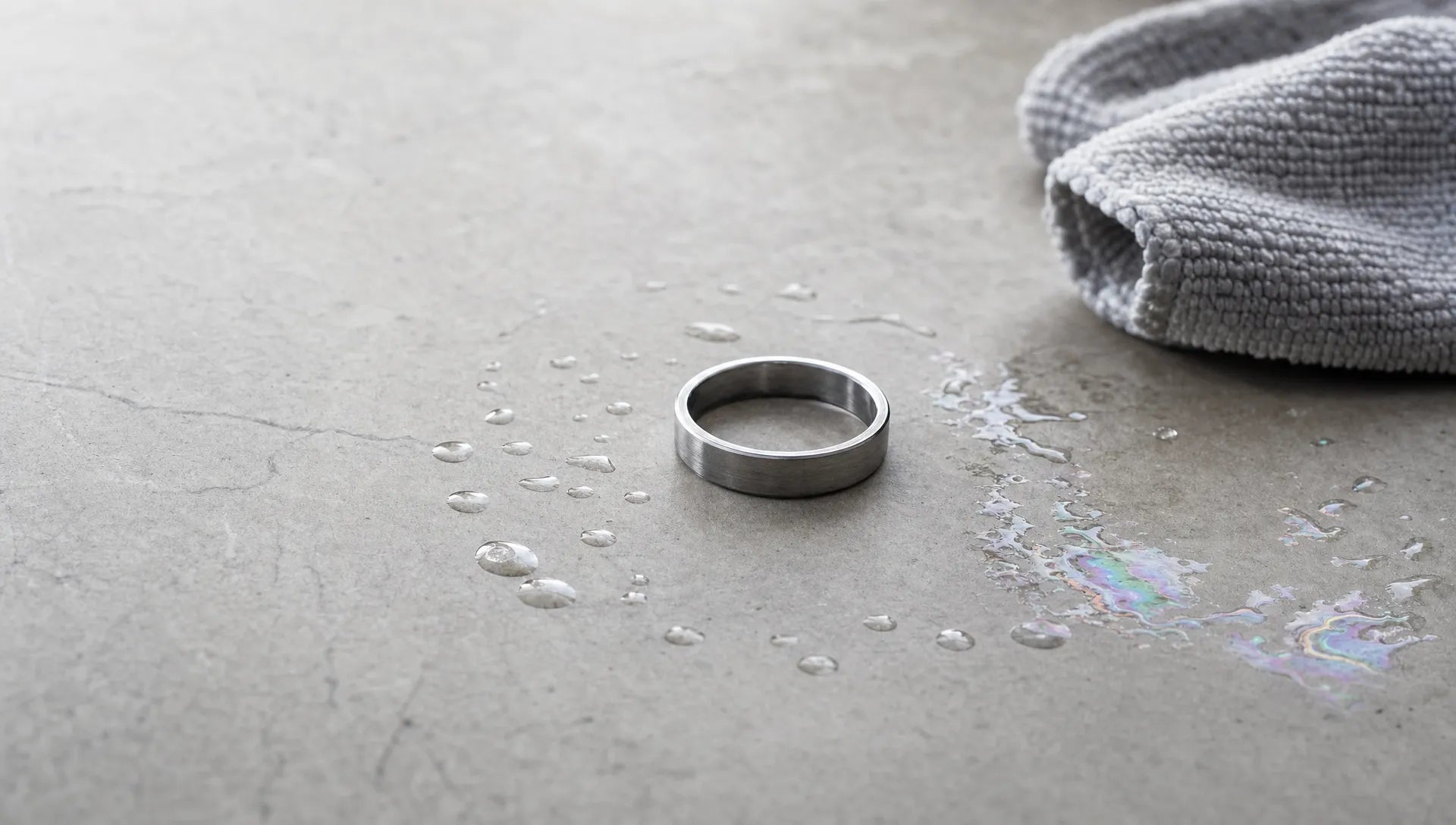
Short answer: Yes, you can usually wear high-quality stainless steel jewelry while showering. This especially applies to pieces of jewelry made of solid stainless steel without sensitive natural materials, glue, textile straps or very sensitive coatings. Nevertheless, waterproof does not mean that every piece of jewelry remains completely unaffected by shower gel, shampoo, limescale, chlorine or friction.
The difference lies in the details. Water alone is usually not a problem for stainless steel. However, the mixture of hot water, soap residue, cosmetics, perfume, peelings and then leaving it in a damp bath can affect the shine and surface over time. If you want to keep your jewelry looking beautiful for a long time, you can wear it, but you shouldn't ignore it completely.
Why stainless steel performs so well in the shower
Stainless steel is popular because it is robust, easy to clean and suitable for everyday use. The reason lies in its composition: stainless steel contains chromium, which forms a thin protective layer on the surface. This so-called passive layer helps slow down corrosion. Also Britannica describes stainless steel as an iron alloy, the chromium content of which contributes significantly to corrosion resistance.
For jewelry this means: A splash of water, washing your hands or a normal shower are usually not critical with stainless steel. Especially compared to simple costume jewelry, which often consists of base metal mixtures and is only thinly coated, stainless steel can withstand significantly more. That's why it is often chosen when jewelry needs to look beautiful and at the same time fit into everyday life.
If you would like to go deeper into what waterproof jewelry can really withstand in everyday life, you can find it in the LUMOIR article about waterproof jewelry in everyday life a good addition to this topic.
Does waterproof really mean showerproof?
When it comes to jewelry, the term waterproof is not as clear as it is when it comes to watches. A clock can have information such as 3 ATM, 5 ATM or 10 ATM. When it comes to jewelry, there are usually no such uniform everyday classes. When stainless steel jewelry is called waterproof, what this often means in practice is that it can withstand contact with water much better than many other materials.
But that doesn't automatically mean that every piece of jewelry is suitable for every water situation. A short shower is different than a daily hot bath, a chlorinated pool, salt water on vacation or a spa with high humidity. Processing also plays a role. Solid stainless steel is less sensitive than a piece with pearls, leather, glued stones or very fine gold plating.
A good rule of thumb is: water is usually okay, chemistry and friction are the actual stress factors. Shampoo, shower oil, hair mask, shaving gel and body scrub can form residue or put more strain on the surface than plain water.
When you can wear stainless steel jewelry in the shower
You can wear stainless steel jewelry when showering if the piece of jewelry is simply made and is primarily made of stainless steel. Smooth rings, simple necklaces, robust hoop earrings and bracelets without sensitive additional materials are particularly suitable for everyday use.
A stainless steel bracelet like this Stainless steel bracelet Amour fits exactly into this category of simple everyday companions: it is made of high-quality stainless steel and is designed for timeless elegance. Nevertheless, as with any piece of jewelry, the best care is to rinse with clean water and dry gently after contact with shower products.
Showering with stainless steel jewelry is particularly relaxing if these points apply:
- The piece of jewelry is mainly made of stainless steel.
- It has no beads, leather details, textile straps or delicate adhesive areas.
- You use mild shower products instead of harsh peelings or strongly perfumed oils.
- You then dry the jewelry with a soft cloth.
- You don't store it permanently on a wet shelf in the bathroom.
If you wear your jewelry very often and rarely want to take it off, it's worth taking a look at designs that are made for everyday wear. The LUMOIR article about Stainless steel jewelry in everyday life explains why stainless steel is so practical for everyday wear.
When do you prefer to take off jewelry before showering?
Even with stainless steel, there are situations in which it makes more sense to remove it. This is especially true if your piece of jewelry is not only made of stainless steel, but also contains additional materials. Pearls, natural stones, leather or glued details often react more sensitively to moisture, heat or care products.
You should also be careful with jewelry with colored coatings. Many gold-colored stainless steel pieces are very robust in everyday life, but the surface can suffer more quickly due to constant friction, aggressive cosmetics or peeling. Water alone is rarely the main problem. These are often deposits, acids, fragrances and mechanical abrasion.
| Type of jewelry or detail | Showering recommended? | What you should pay attention to |
|---|---|---|
| Solid stainless steel jewelry | Mostly yes | Rinse off after the shower and rub dry |
| Gold-colored stainless steel | Yes, but with care | Avoid peelings, strong friction and aggressive cleansers |
| Jewelry with stones | Depends on setting and stone | Do not allow oily or strongly perfumed products to take effect |
| Beads, leather, textile | Rather no | Moisture can change the material and surface |
| Glued elements | Rather no | Heat and water can weaken adhesive joints |
If you are unsure, it is better to remove the piece of jewelry before a long, hot shower. This isn't a must every time you wash your hands, but it's a simple habit that protects more delicate details.

What shower gel, shampoo and lime can do to stainless steel
Stainless steel does not rust as quickly as many other metals, but it can still appear dull if residue builds up on it. Anyone who lives in a region with hard water is familiar with limescale stains on fittings. Something similar can happen in a smaller form on jewelry. The jewelry is then not damaged, but looks less shiny.
Shower gel and shampoo can also leave a film. This film particularly tends to collect on clasps, chain links, engravings and small spaces. In the case of earrings or necklaces, this can also irritate the skin and piercing canal if residue is not removed. If you have sensitive ears, the post can also be used Stainless steel earrings for sensitive ears be helpful.
The solution is simple: After coming into contact with shower products, rinse jewelry briefly with clean water and dry it thoroughly. This last step in particular is often underestimated. Not because stainless steel is damaged immediately, but because moisture, soap residue and limescale can together cause dull areas.
Shower, pool, sea: not every water situation is the same
Showering usually involves tap water, heat and care products. Chlorine is added to the pool. Salt, sand and sun work together in the sea. These combinations are more sophisticated for jewelry than a regular home shower.
Chlorine can have a greater impact on surfaces, especially jewelry with coatings or decorative details. Salt water can form residue and sand creates additional friction. If you wear jewelry to the beach or pool, rinse it with clean fresh water and dry it as soon as possible. It is even better to remove more sensitive items and store them safely before swimming.
Stainless steel jewelry is still a practical choice for travel. It's less delicate than many alternatives, doesn't tarnish as quickly as silver, and goes well with minimalist outfits. But the best combination remains: robust material plus easy care.
How to care for stainless steel jewelry after showering
You don't need an elaborate jewelry routine. A short, gentle care is sufficient for most stainless steel pieces. It is important not to use aggressive cleaners, abrasive cleaners or hard brushes. These can cause fine scratches or put unnecessary strain on coatings.
If necessary, clean your jewelry with lukewarm water and a little mild soap. Then rinse it thoroughly and dry it with a soft cloth. When it comes to necklaces and bracelets, you should pay particular attention to clasps and small gaps. This is where residues collect most quickly.
Do not store jewelry permanently in a damp bathroom. A dry jewelry dish, bag, or box is better. This way you not only avoid moisture, but also scratches caused by contact with other pieces of jewelry.
What applies to personalized jewelry?
Personalized stainless steel jewelry, for example with engraving, initials or birthstone, can basically be just as suitable for everyday use as other stainless steel pieces. But the details are crucial. Engraving in stainless steel is usually unproblematic. However, a framed stone or an additional decorative element may require different care.
For jewelry with birthstones or fine settings, it makes sense to protect it from intensive cosmetics, hair color, sunscreen or very oily products. Not because one shower ruins everything, but because repeated residue can dull the shine over time.
Frequently asked questions about stainless steel jewelry in the shower
Can stainless steel jewelry rust? High-quality stainless steel is very corrosion-resistant, but not completely invulnerable. Strong chemicals, salt water, chlorine and constant moisture can damage surfaces. However, in normal shower use, rust is rare with well-made stainless steel.
Does stainless steel jewelry change color when showering? Solid stainless steel typically does not discolor from plain water. Matt spots are usually caused by lime, soap residue or cosmetic deposits. These can often be removed with mild cleaning and a soft cloth.
Can I wear gold stainless steel jewelry in the shower? Often yes, but more carefully than with solid silver stainless steel. Gold-colored surfaces can be subjected to greater wear and tear due to constant friction, peeling or aggressive care products. Rinsing and drying are particularly important here.
Should I remove stainless steel jewelry while swimming? For the pool and sea, casting is often the better choice, especially for coated jewelry or jewelry with stones. Chlorine, salt, sand and sunscreen put more strain on jewelry than a normal shower.
Is stainless steel jewelry good for everyday wear? Yes, stainless steel is very popular for this very reason. It is robust, easy to care for and more water-resistant than many classic costume jewelry materials. However, the service life depends on the processing, surface and care.
Conclusion: Yes, shower, avoid long-term stress
You can usually wear stainless steel jewelry when showering, as long as the piece of jewelry is simply made and does not contain any sensitive materials. Clear water is rarely the problem. Shower gel, shampoo, lime, chlorine, salt and friction are the factors that can leave traces over time.
If you rinse your jewelry briefly after it comes into contact with water, dry it gently and be a little more careful around the pool, sea or intensive cosmetics, it will stay beautiful for a long time. This is exactly why stainless steel goes so well with modern everyday jewelry: elegant enough for every day and robust enough not to have to be taken off every time water splashes.
Discover at LUMOIR Jewelry minimalist stainless steel jewelry inspired by light and French design, with pieces for women and men, personalized options and water-resistant designs for your everyday life.

From Yannick Aebischer