Waterproof jewelry: What really lasts in everyday life?
Waterproof jewelry sounds like a simple solution: put it on, wear it, forget it. But in everyday life it quickly becomes apparent that “waterproof” does not mean the same thing for every piece of jewelry. A ring that can withstand hand washing can suffer more quickly in the pool. A necklace that can withstand rain well can still lose its shine due to perfume, sunscreen or sweat.
The most important question is therefore not only: Is the jewelry waterproof? But: What type of water, what materials and what everyday situations are meant? That's exactly what this guide is about. You will find out which materials are really robust, which promises you should check critically and how you can keep waterproof jewelry looking beautiful for a long time.
What does “waterproof jewelry” actually mean?
When it comes to jewelry, there is no uniform, internationally binding labeling like there is for watches with clear water resistance information. When a piece of jewelry is described as waterproof, water-resistant or water-resistant, what this usually means is that it tolerates normal contact with water better than delicate costume jewelry.
This could mean, for example, that you can wear it when washing your hands, in the rain or in everyday life with light moisture. However, it does not automatically mean that the piece of jewelry is permanently insensitive to chlorine, salt water, soap, heat, cosmetics or mechanical friction.
Practically speaking, there are three stages:
| term | What is usually meant | Typical everyday situation |
|---|---|---|
| Splashproof | Brief contact with water is usually not a problem | Washing hands, light rain |
| Water resistant | Regular moisture is better tolerated | Sweat, everyday life, short showers |
| Waterproof | The material is fundamentally corrosion-resistant | Wear more frequently in water, depending on the processing |
The difference often lies in the material, but also in details such as coating, stone setting, adhesives, closure and care. A robust metal alone does not make a piece of jewelry infinitely resistant.
Which materials withstand water best in everyday life?
If you are looking for jewelry that is waterproof, it is worth taking a look at the material information. Especially in everyday life, it makes a big difference whether a piece is made of stainless steel, sterling silver, gold-plated brass or sensitive natural materials.
Stainless steel: the everyday choice
Stainless steel is particularly popular for waterproof jewelry because it is robust, corrosion-resistant and easy to care for. The reason lies in its composition: stainless steel contains chromium, which can form a protective passive layer on the surface. This helps to make the material more resistant to moisture and oxidation.
For jewelry this means: Stainless steel generally does not tarnish as quickly as silver, is less sensitive to water than many alloys and is uncomplicated in everyday life. That's why it's particularly suitable for rings, necklaces, bracelets and earrings that you want to wear often.
If you would like to find out more about the benefits of the material, you can find the LUMOIR guide Stainless steel jewelry an in-depth overview.
Silver: beautiful, but more maintenance-intensive
Sterling silver is a classic jewelry material, but it can tarnish. Water alone is not always the main problem. Silver surfaces react much more often to sulfur compounds in the air, cosmetics, sweat or cleaning products. Brief contact with water is usually not a problem, but long-term storage in damp conditions or water containing chlorine can affect the shine.
Silver jewelry is therefore not automatically unsuitable for everyday wear, but it does need a little more attention. After contact with water, you should dry it well and store it as dry as possible.
Gold plated jewelry: depending on plating and base
Gold-plated jewelry can be very beautiful and suitable for everyday use, but its water resistance depends largely on the quality of the plating and the base material. Thin gold plating on delicate metal can wear more quickly, especially with friction, soap, sweat or chlorine.
Water is only part of the problem. Visible changes are often caused by a combination of moisture, cosmetics and mechanical abrasion, for example when a bracelet rubs against clothing, the edge of a laptop or a bag every day.
Costume jewelry: often sensitive to water
Classic costume jewelry often consists of metal alloys that are coated, painted or glued. Such pieces can look beautiful, but are usually not made for regular contact with water. Moisture can cause discoloration, dull spots or loosened bonds.
If you own such pieces, it's worth taking a look at the LUMOIR guide Proper care of costume jewelry.
The material check at a glance
| material | Water in everyday life | Critical factors | Suitable for waterproof jewelry? |
|---|---|---|---|
| Stainless steel | Very good in rain, hand washing and sweat | Rinse off chlorine, salt water and strong chemicals anyway | Yes, very suitable for everyday use |
| Sterling silver | Short contact is usually possible | Tarnishing, chlorine, cosmetics, damp storage | Conditionally, with care |
| Solid gold | Very robust, depending on alloy | Softness depending on carats, scratches, chemicals | Yes, but usually more expensive |
| Gold plated jewelry | Highly dependent on quality | Abrasion, perfume, soap, chlorine | Conditional |
| Classic costume jewelry | Often sensitive | Discoloration, coating, adhesives | Rather no |
| Pearls and natural stones | Often sensitive | Heat, acids, cosmetics, moisture | Just with caution |
Shower, pool, sea: What can waterproof jewelry really withstand?
Everyday life is rarely just “water”. When showering, shower gel, shampoo and heat are added. Chlorine is crucial in the pool. At the sea, salt, sun and sand hit the surface. Sports are about sweat and friction. That's exactly why you should look at the situations individually.
Washing hands and rain
This is usually not a problem for high-quality stainless steel jewelry. Many other materials also survive short contact with clear water. The only important thing is that you don't leave the jewelry permanently wet afterwards. Rings in particular collect water residue under the ring band, which can irritate the skin.
Showers
Stainless steel usually copes well with occasional showers. Nevertheless, shower gel, shampoo, conditioner and peelings can leave residue. This residue doesn't necessarily ruin jewelry immediately, but it can affect its shine and finish.
If you want to keep your jewelry looking perfect for as long as possible, removing it before showering is always the gentler choice. However, when things have to go quickly in everyday life, stainless steel is much more relaxed than delicate costume jewelry.
Sport and sweat
Sweat contains salts and can affect jewelry differently depending on your skin chemistry. Stainless steel is very practical here because it is durable and easy to clean. After exercise, a quick rinse with clear water and a soft cloth to dry are often sufficient.
Sweat can leave marks more quickly on coated jewelry, especially if there is additional friction from clothing, sports equipment or fitness gloves.
Pool and chlorine
Chlorine is more demanding than normal water for many pieces of jewelry. It can attack surfaces, stress coatings and alter certain metals or stones. Waterproof jewelry should also be rinsed with clean water and carefully dried after contact with a pool.
If you swim regularly, minimalist stainless steel jewelry without delicate stones, bonds, or fine coatings is a more robust choice. It's even better to remove jewelry before swimming if you want maximum longevity.
Sea, salt and sand
Salt water is also more polluting than tap water. Salt can form residues, sand acts like a fine abrasive. Especially with rings and bracelets, small particles can rub between the skin and jewelry.
Stainless steel is very suitable for everyday use here, but it also benefits from a simple routine: After a day at the beach, rinse with fresh water, pat dry and store separately.

Why “waterproof” doesn’t just depend on water
Many pieces of jewelry change not because of a single contact with water, but through repeated combinations. If you put perfume, sunscreen, hand disinfectant, shampoo, sweat and moisture on the same ring every day, you put significantly more strain on the surface than if you wash your hands occasionally.
These factors in particular play a role:
- Cosmetic products such as perfume, hairspray, cream and sunscreen can form residues or pollute coatings.
- Cleaning agents, chlorine and disinfectants are significantly more aggressive than plain water.
- Friction from clothing, bags, watches or other jewelry can remove coatings.
- Heat and sauna can affect adhesives, stones, beads or coatings.
- Moist storage can cause tarnishing, odor or skin irritation.
Therefore, a piece of jewelry is not automatically bad if it is not suitable for every extreme situation. What matters is whether it fits your lifestyle.
Anyone who commutes a lot, travels or switches between the office, sports and evening appointments needs accessories that keep up with this rhythm. Modern career paths are often international and mobile, no matter what Optima Search Europe in the recruiting context. It is precisely in such everyday realities that waterproof jewelry becomes not a luxury, but a practical decision.
This is how you can recognize good waterproof jewelry when buying
When buying online, it is worth taking a critical look at the product description. Good shops provide clear information about the material and explain how the jewelry should be worn and cared for. Vague formulations such as “high-quality alloy” or “waterproof finish” mean little if the base material remains unknown.
Pay particular attention to these points:
| Purchase criterion | Why it matters |
|---|---|
| Specific material information | Stainless steel, silver, gold or plating should be clearly named |
| Everyday tips | Reputable information explains what waterproofing means in practice |
| Processing | Clasps, frames and connections are often crucial to durability |
| Skin tolerance | Sensitive skin should pay particular attention to the material and nickel information |
| Care recommendation | Good jewelry still needs proper cleaning and storage |
| Return policy | Helps when the size, color or feel doesn't fit |
The fit also counts, especially with rings and bracelets. A ring that is too tight will keep moisture under the skin, while a bracelet that is too loose will cause more friction. Both can influence the wearing comfort and, in the long term, the surface.
Care: What you should keep in mind despite waterproof jewelry
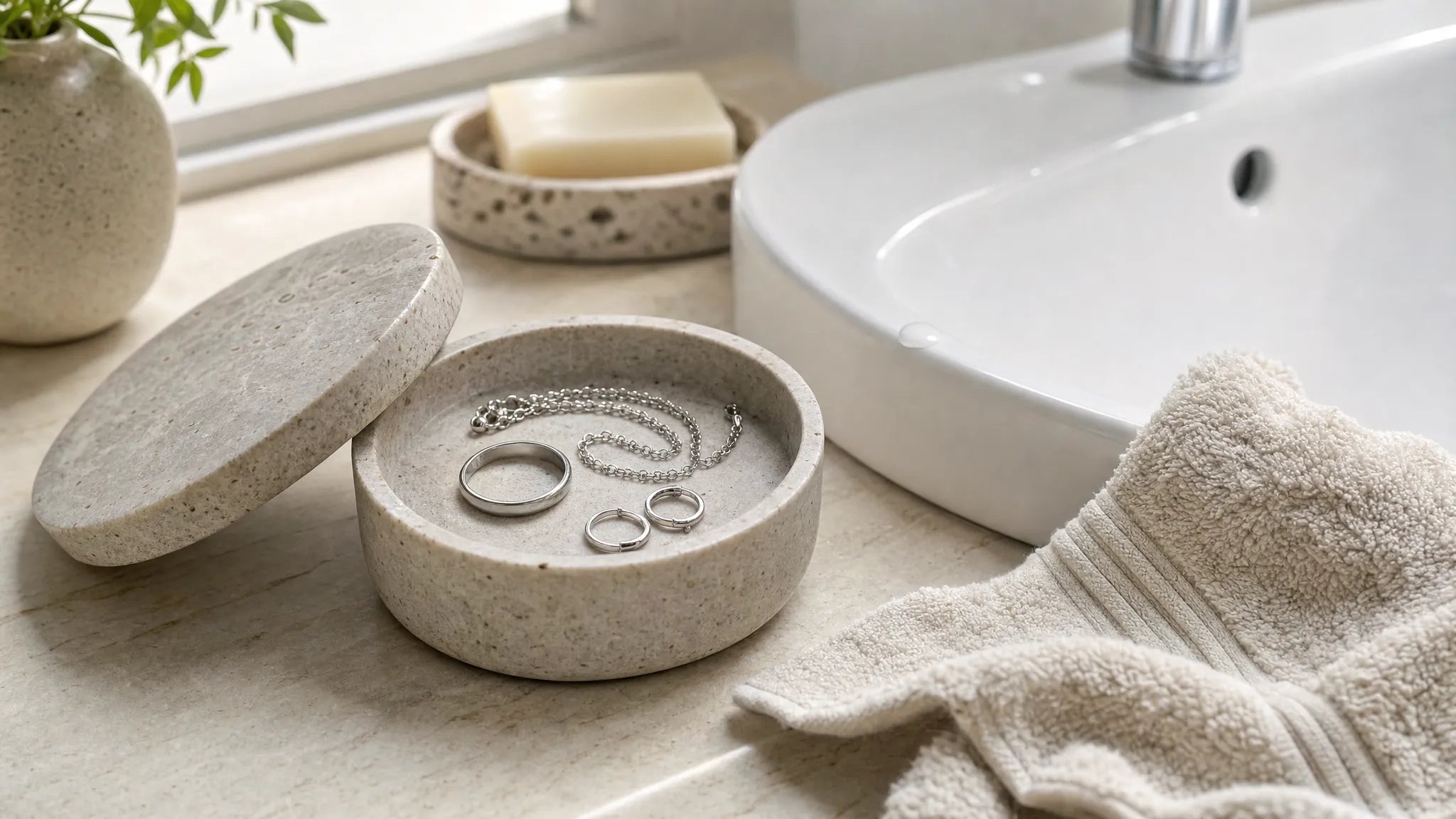
Waterproof jewelry is easier to care for, but not maintenance-free. The best routine is simple and only takes a few seconds. After contact with sweat, chlorine, salt water or cosmetics, you should rinse the piece of jewelry with clean water and dry it with a soft cloth. It should then be stored separately and dry.
A soft microfiber cloth is usually sufficient for everyday use on stainless steel. If there is more residue, you can use lukewarm water and a mild soap. Then rinse thoroughly and dry completely. Aggressive home remedies, abrasive cleaners, toothpaste or hard brushes are not a good idea because they can scratch surfaces.
Even water-resistant jewelry stays more beautiful if you take it off in certain situations: when cleaning, in the sauna, swimming in chlorinated water or in strong contact with sunscreen and perfume. This is not a contradiction to water resistance, but rather a simple way to extend the lifespan.
Who is particularly interested in waterproof jewelry?
Waterproof jewelry is ideal for people who don't want to constantly take off their favorite pieces. These include minimalist necklaces, simple rings, subtle bracelets and small earrings that fit everyday life and still look elegant.
It is particularly useful if you:
- You wear jewelry every day and don't want to take it off every time you wash your hands.
- have an active everyday life with work, sport, travel and leisure.
- Prefer easy-care materials.
- Looking for pieces of jewelry that go with many outfits.
- choose a gift that should be practical and stylish at the same time.
Stainless steel jewelry is a very good option because it combines a modern look, robustness and easy care. This works particularly well with minimalist designs that don't rely on flashy coatings or delicate details.
Waterproof jewelry and style: practical does not have to look sporty
A common misconception is that waterproof jewelry automatically has to look functional or simple in a technical sense. That's not true. Minimalist designs in particular appear particularly elegant in everyday life because they are reserved and still present.
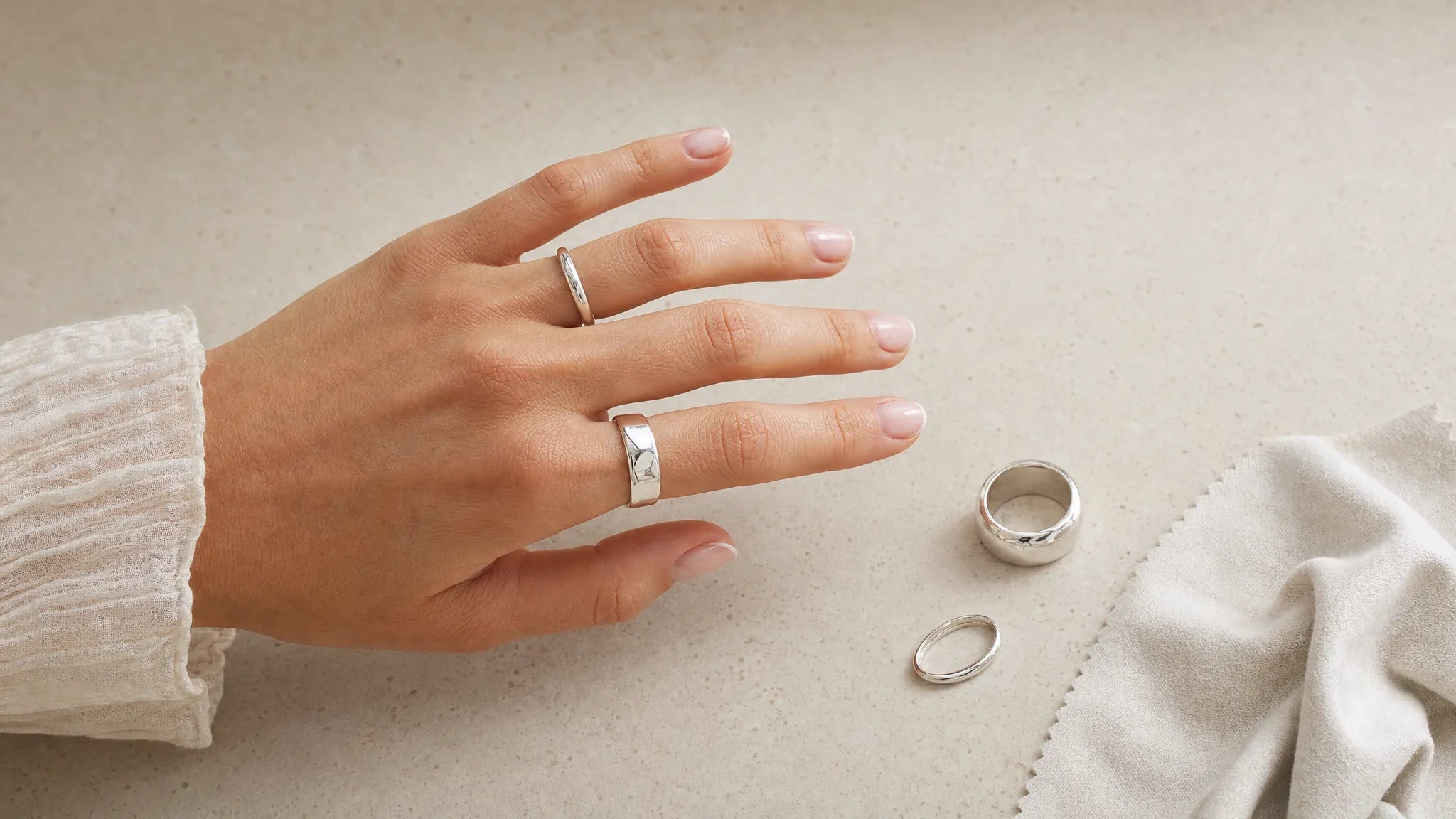
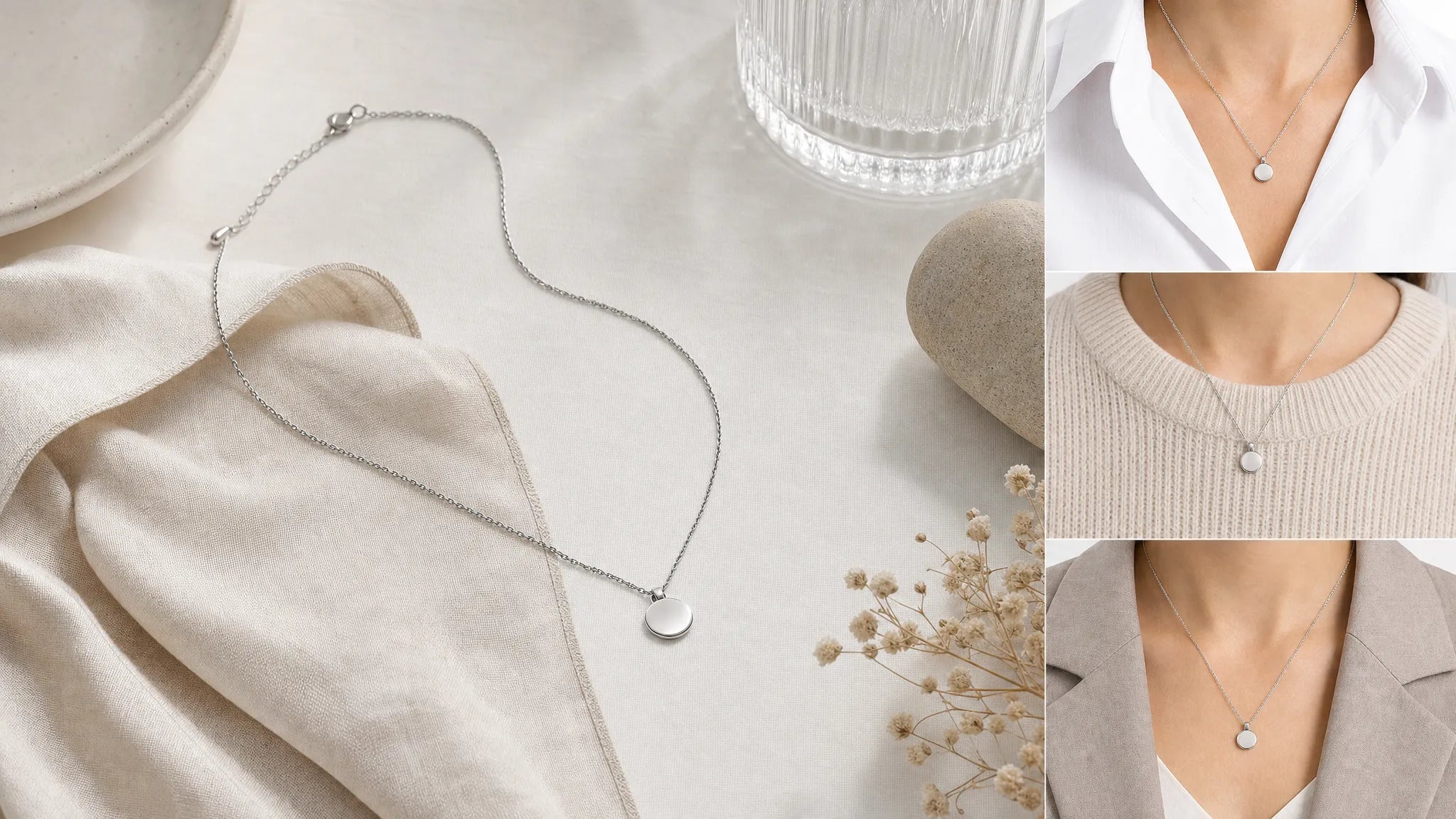
A fine stainless steel chain can work with a blouse, T-shirt or dress. Narrow rings can be worn individually or discreetly combined. Small hoop earrings or stud earrings look well-groomed without being intrusive. A simple bracelet complements a watch or other pieces of jewelry without overloading the look.
The advantage of waterproof materials is that you don't have to worry as much about whether your jewelry fits your daily schedule. You can choose a piece in the morning that will accompany you through meetings, walks, short rain showers and dinner.
Frequently asked questions about waterproof jewelry
Is waterproof jewelry really suitable for showering? High-quality stainless steel jewelry usually tolerates occasional showers well. It is still gentler to take off jewelry before showering because shampoo, shower gel and heat can leave residue.
Can I go swimming with waterproof jewelry? Short contact with water is often not a problem with robust materials, but chlorine and salt water are more polluting than tap water. After swimming, you should rinse the jewelry with clean water and dry it.
What material is best for waterproof jewelry? Stainless steel is particularly popular in everyday life because it is robust, corrosion-resistant and easy to clean. Solid gold is also robust, but usually significantly more expensive. Silver and gold-plated pieces require more care.
Does water discolor stainless steel jewelry? Stainless steel generally does not discolor as quickly as many other materials when exposed to normal water. Nevertheless, chemicals, strong friction or residue can affect the surface over time.
Is waterproof jewelry also skin-friendly? That depends on the material and your skin. Stainless steel is easy to wear for many people, but sensitive skin should always pay attention to precise material specifications. If you have known allergies, you should be particularly careful.
How do I properly store waterproof jewelry? Preferably dry, clean and separate. Even robust pieces of jewelry stay beautiful for longer if they don't lie damp in a bag or constantly rub against other metals.
Conclusion: What really lasts in everyday life?
In normal everyday life, stainless steel jewelry in particular can withstand a lot. Hand washing, rain, sweat and occasional moisture are usually not a problem if the workmanship is good. Chlorine, salt water, cosmetics, friction and heat are more critical. This is exactly where it decides whether a piece of jewelry just looks nice or is really suitable for everyday use.
If you are looking for waterproof jewelry, pay attention to clear material information, robust workmanship and realistic care instructions. “Waterproof” doesn’t mean indestructible, but with the right material and a little care, you can wear your favorite pieces much more comfortably.
At LUMOIR Jewelry Find minimalist, French-inspired stainless steel jewelry for women and men, including rings, necklaces, bracelets, earrings and personalized pieces. The designs are designed to be suitable for everyday use, with water-resistant properties, secure payment, free shipping from 50 CHF, 14-day return policy and 24/7 customer support.

From Yannick Aebischer