Men's jewelry - expression beyond the obvious: a guide to style and character
If you look at the development of masculine aesthetics, you will notice that jewelry for men has developed from a marginal phenomenon or purely functional object (think of the watch) to a significant element of self-presentation. It's no longer about just wearing something. Rather, men's jewelry today embodies a conscious decision - for a certain look, a personal statement or simply the refinement of one's own style. He adds nuances to the appearance that are difficult to describe in words. Let's immerse ourselves in this fascinating world that is so much more than just an accessory.
Which pieces of jewelry characterize the look of the modern man? An approach
The variety may seem manageable at first glance, but a closer look reveals numerous nuances within the main categories that can significantly influence the look.
-
On the wrist: Here, bracelets and bangles often share space with the classic wristwatch.
-
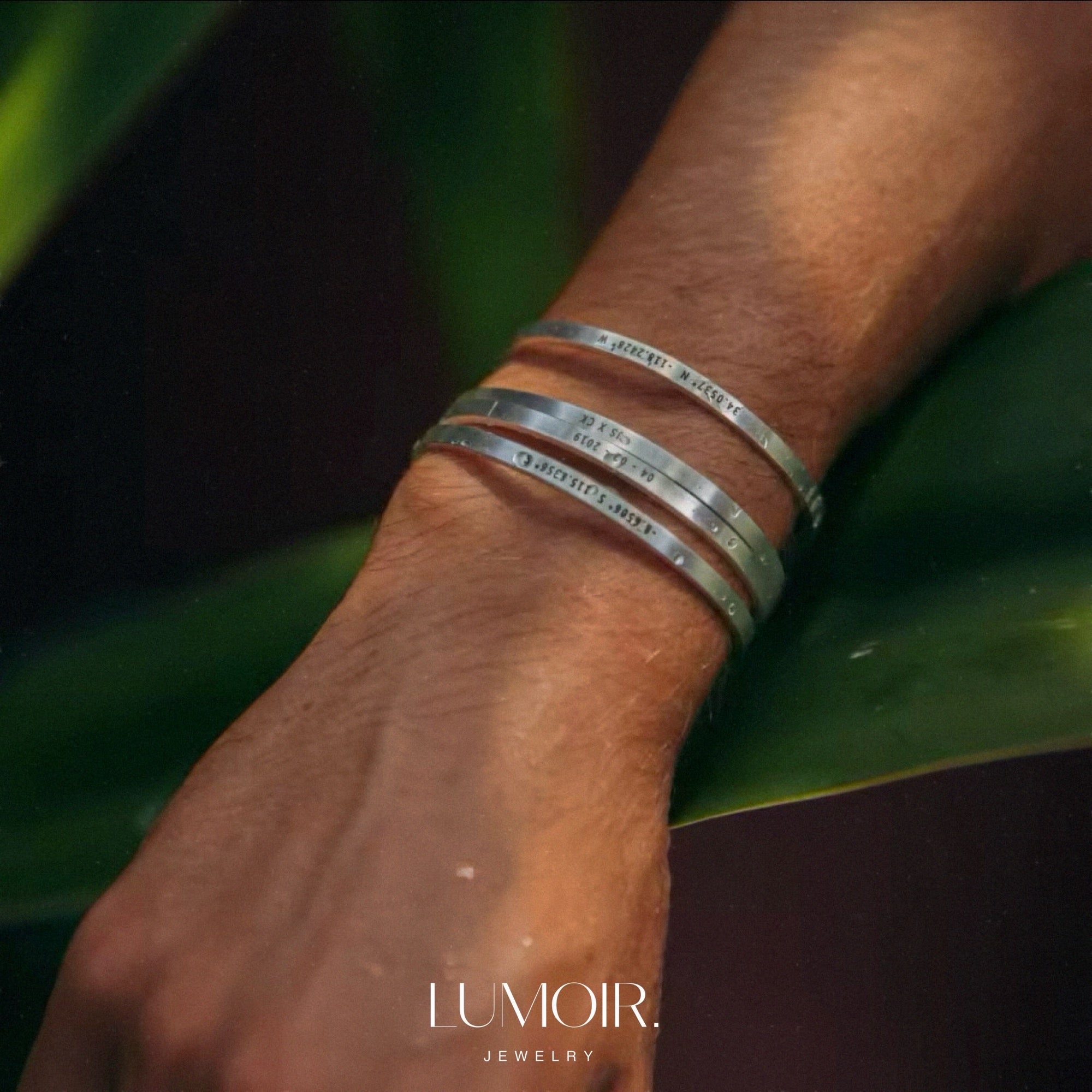
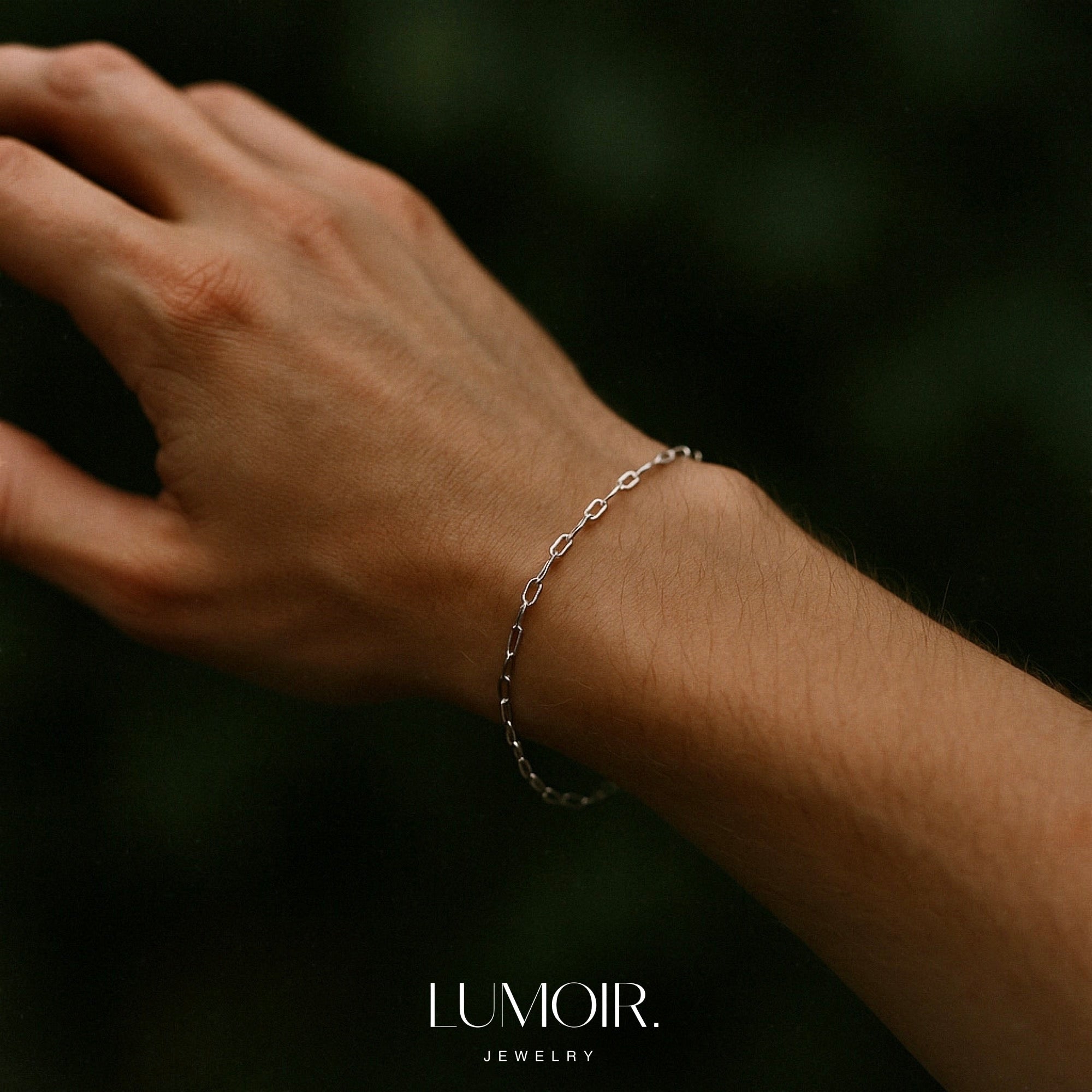
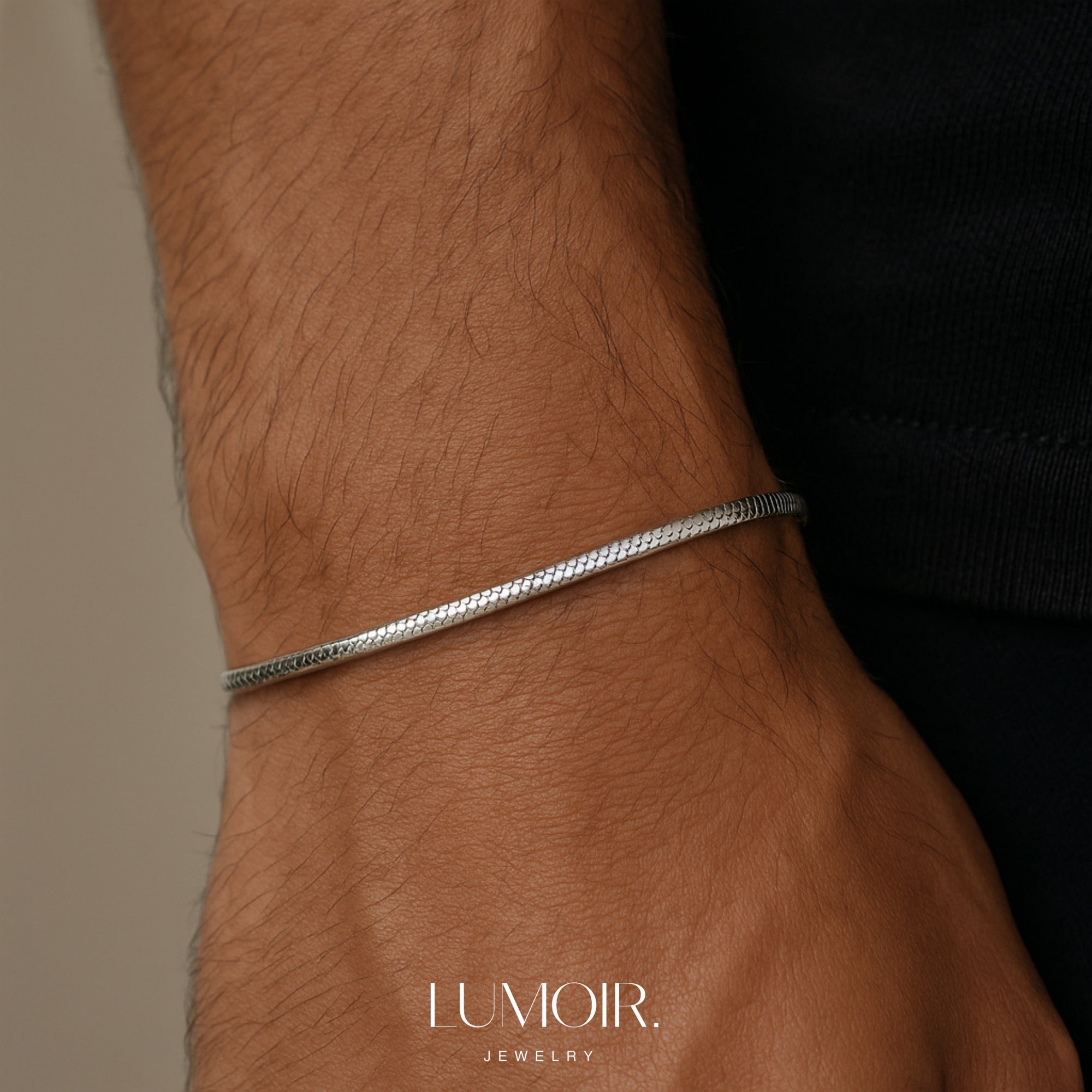
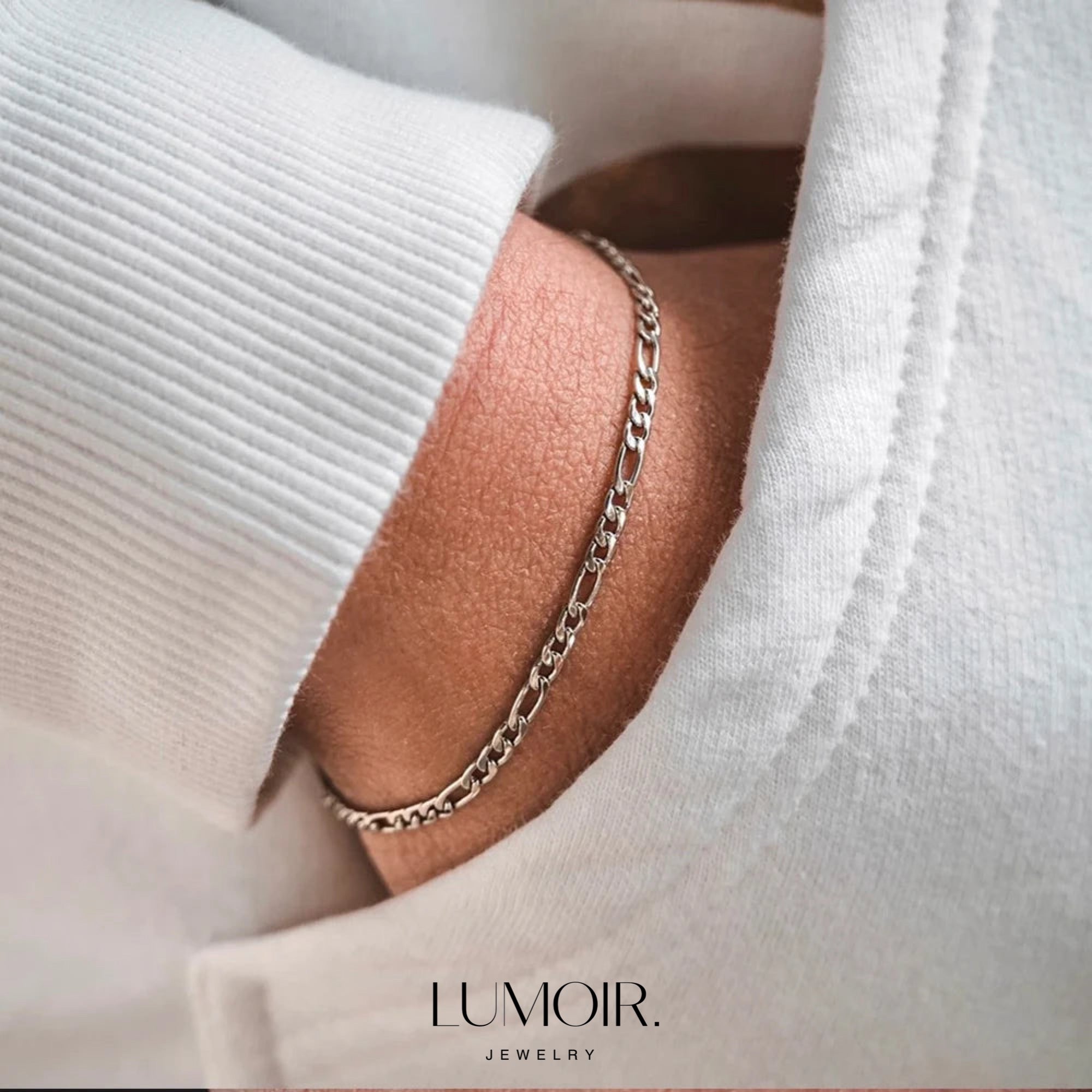
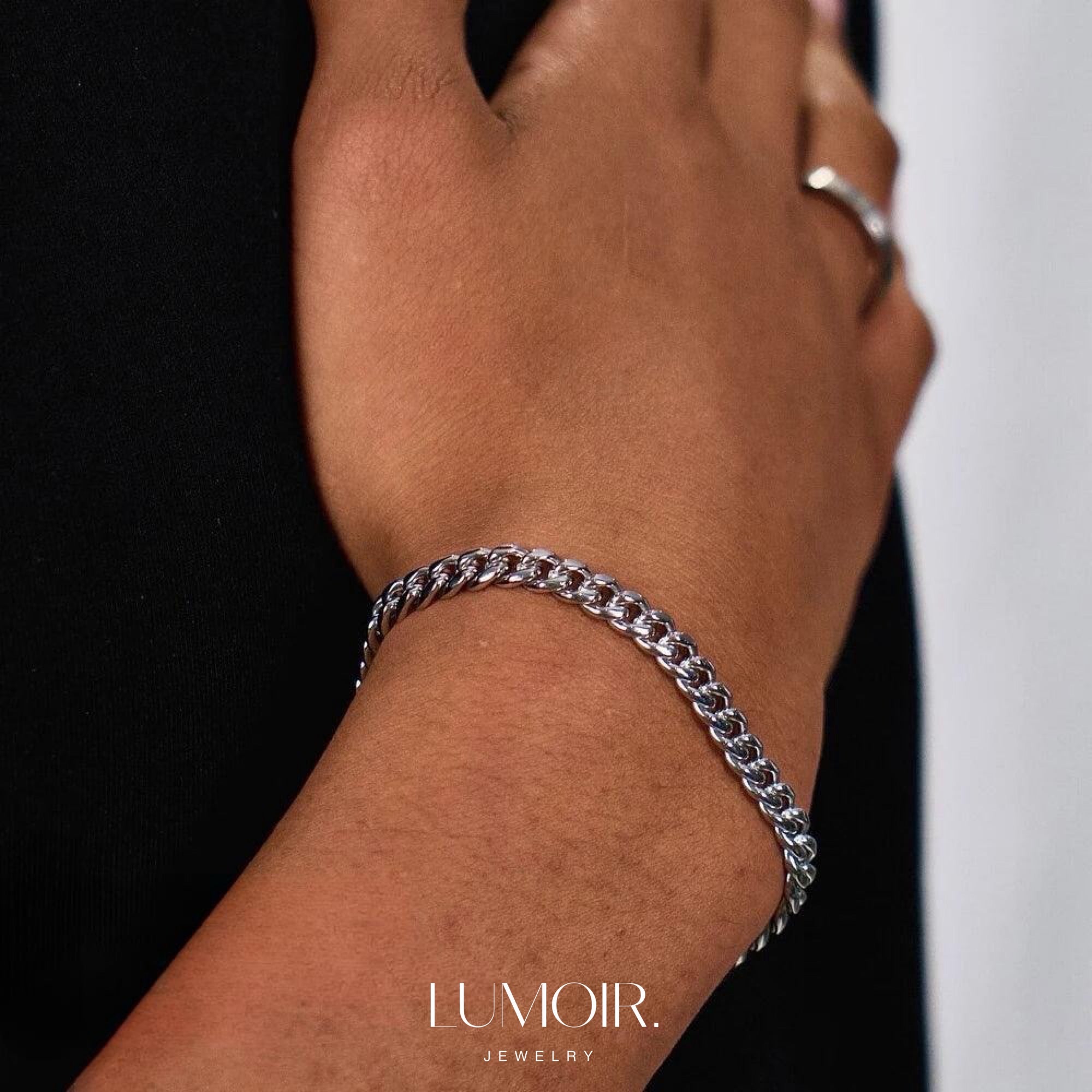
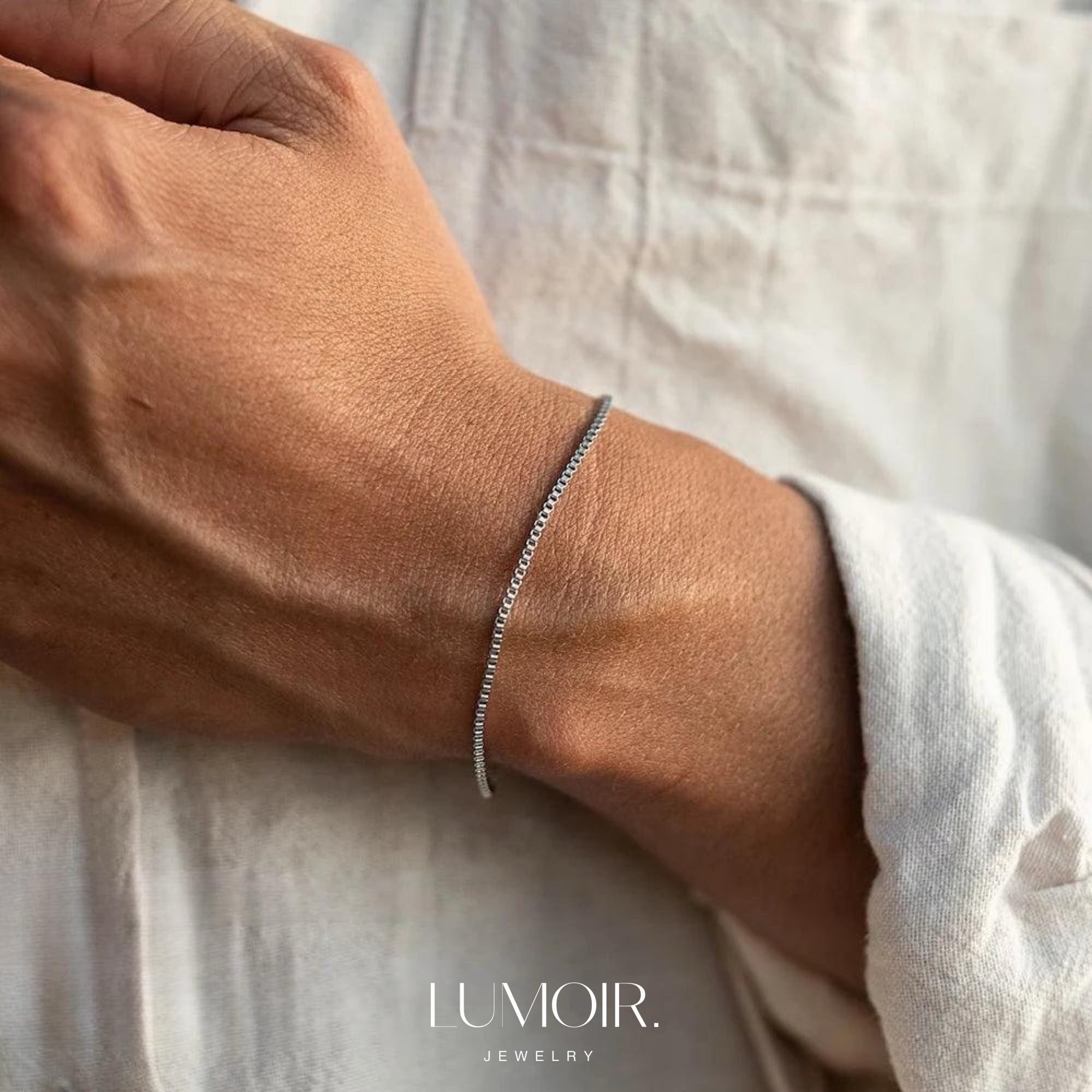
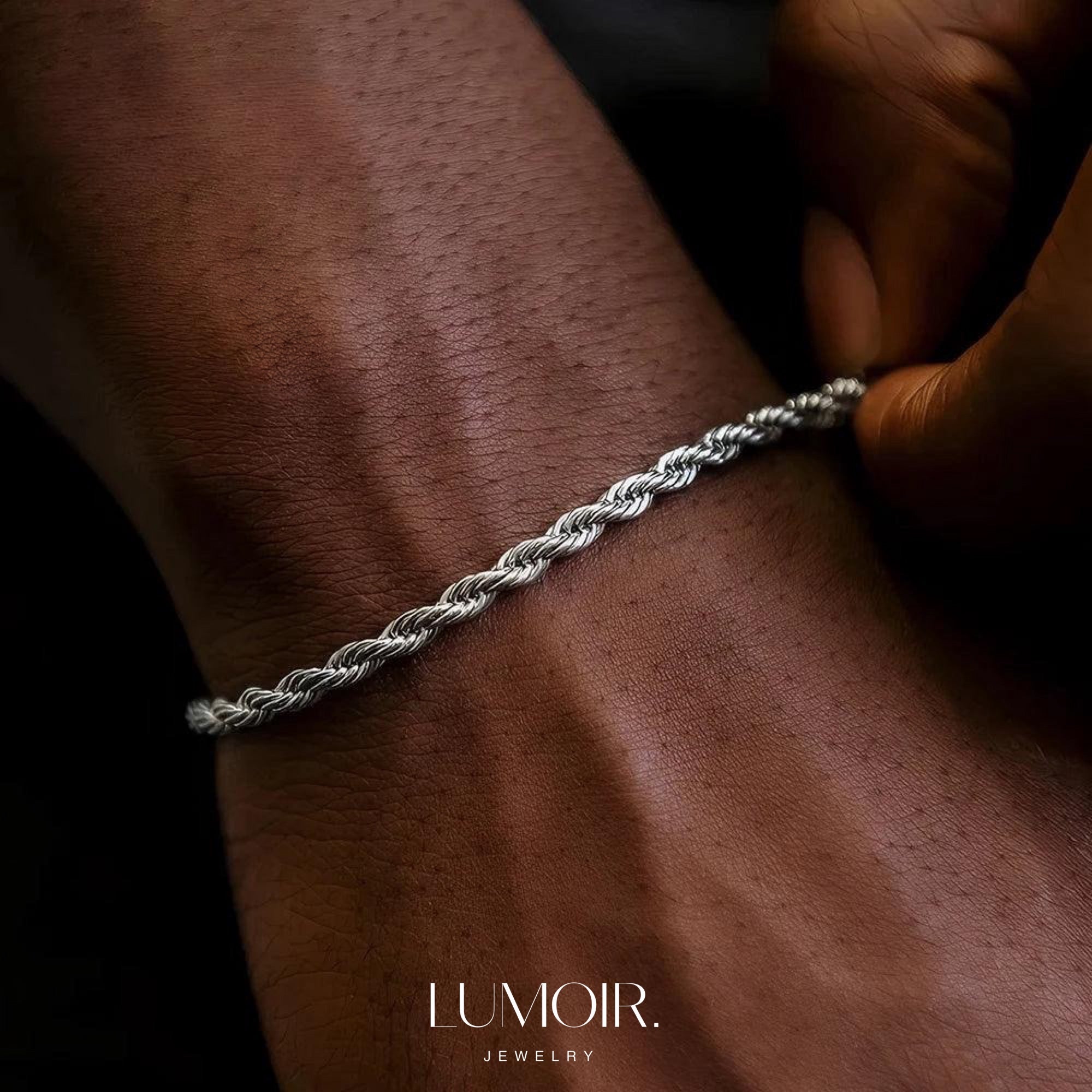
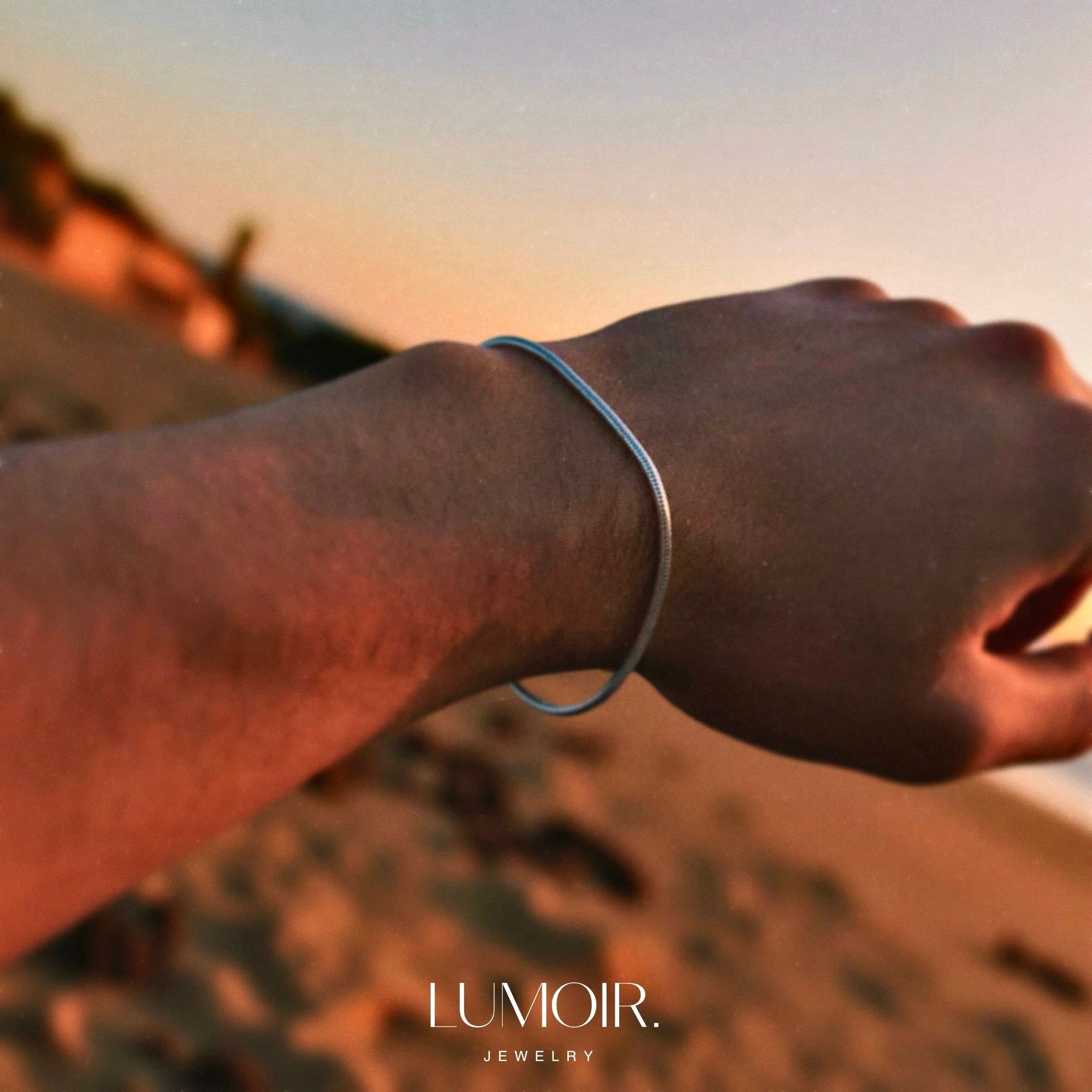
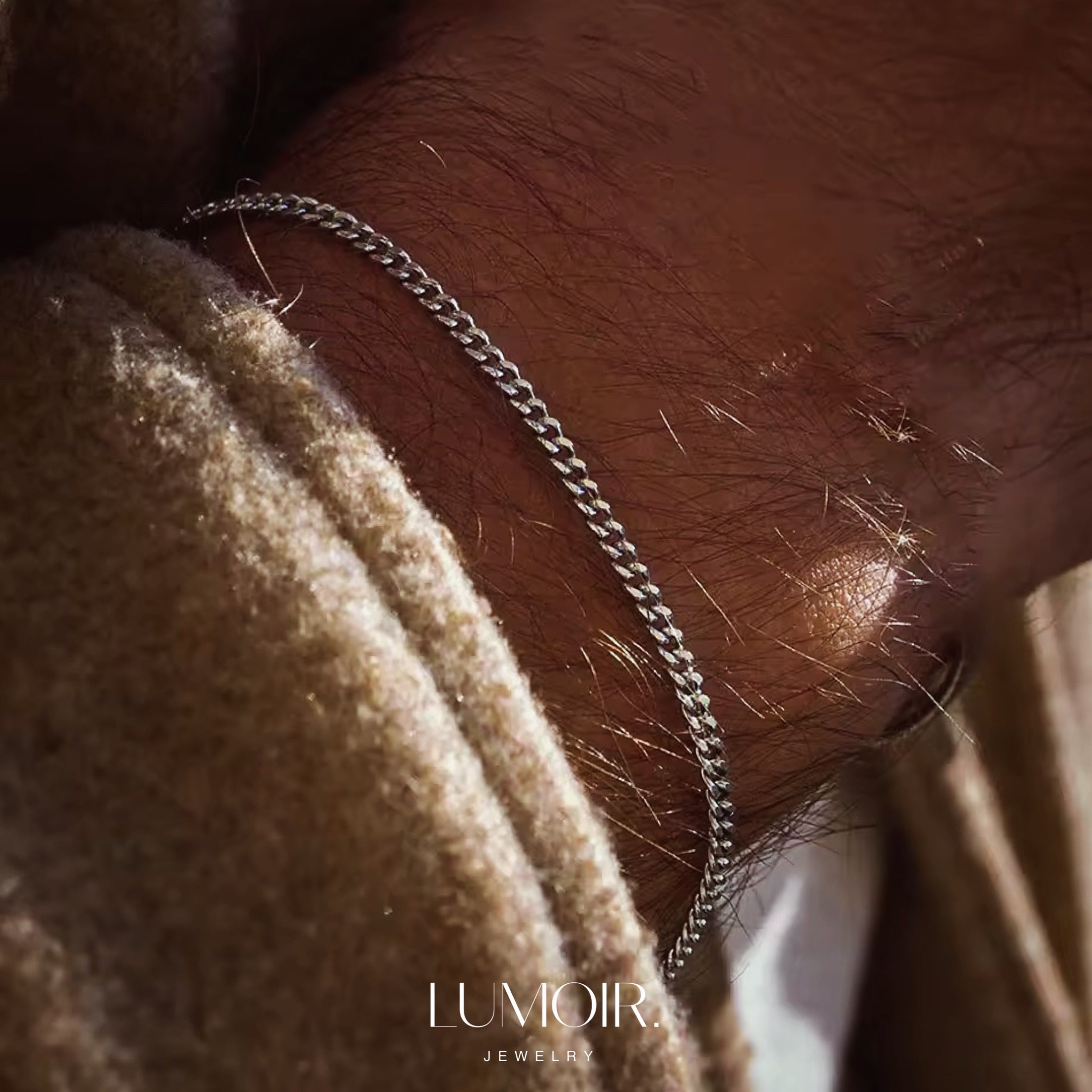
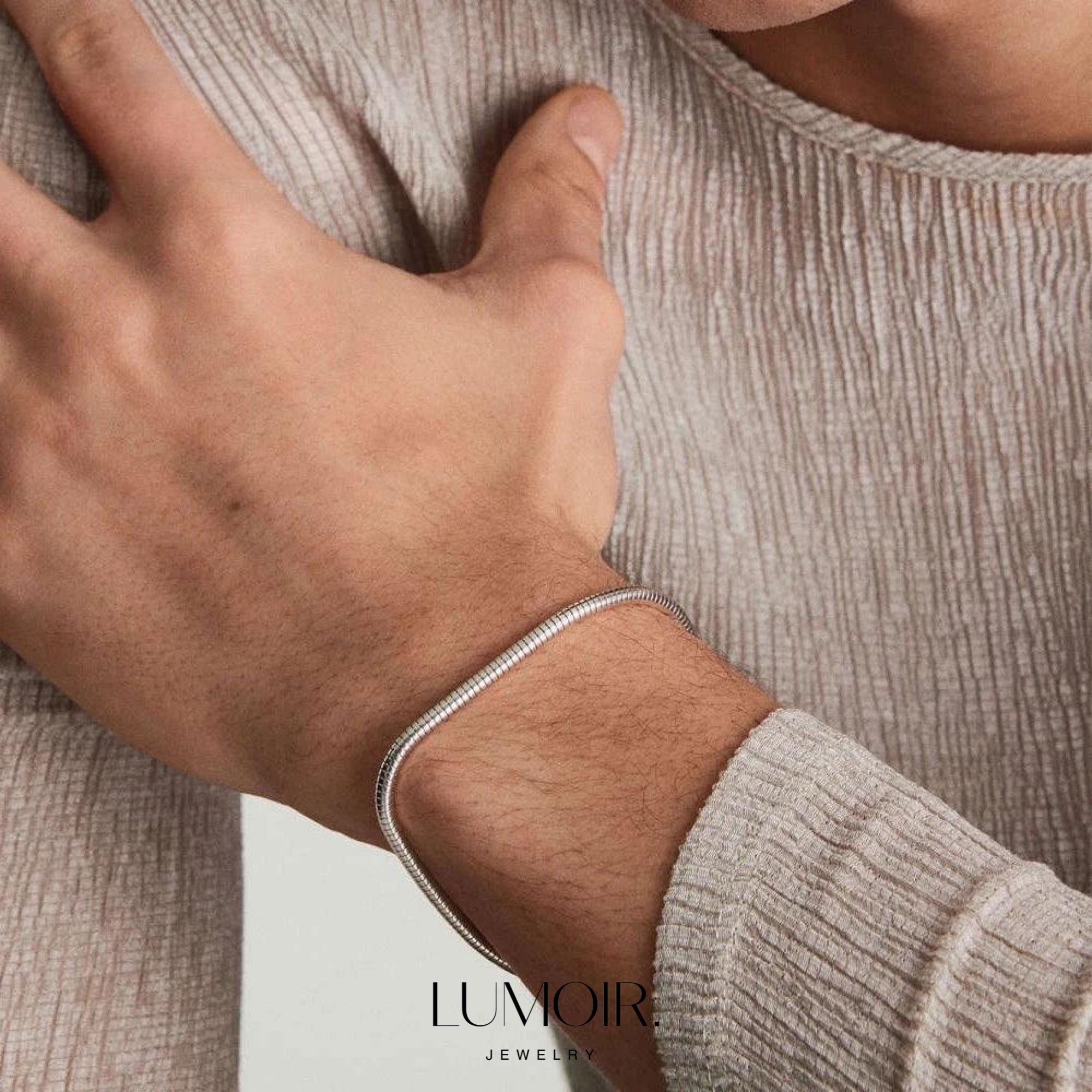
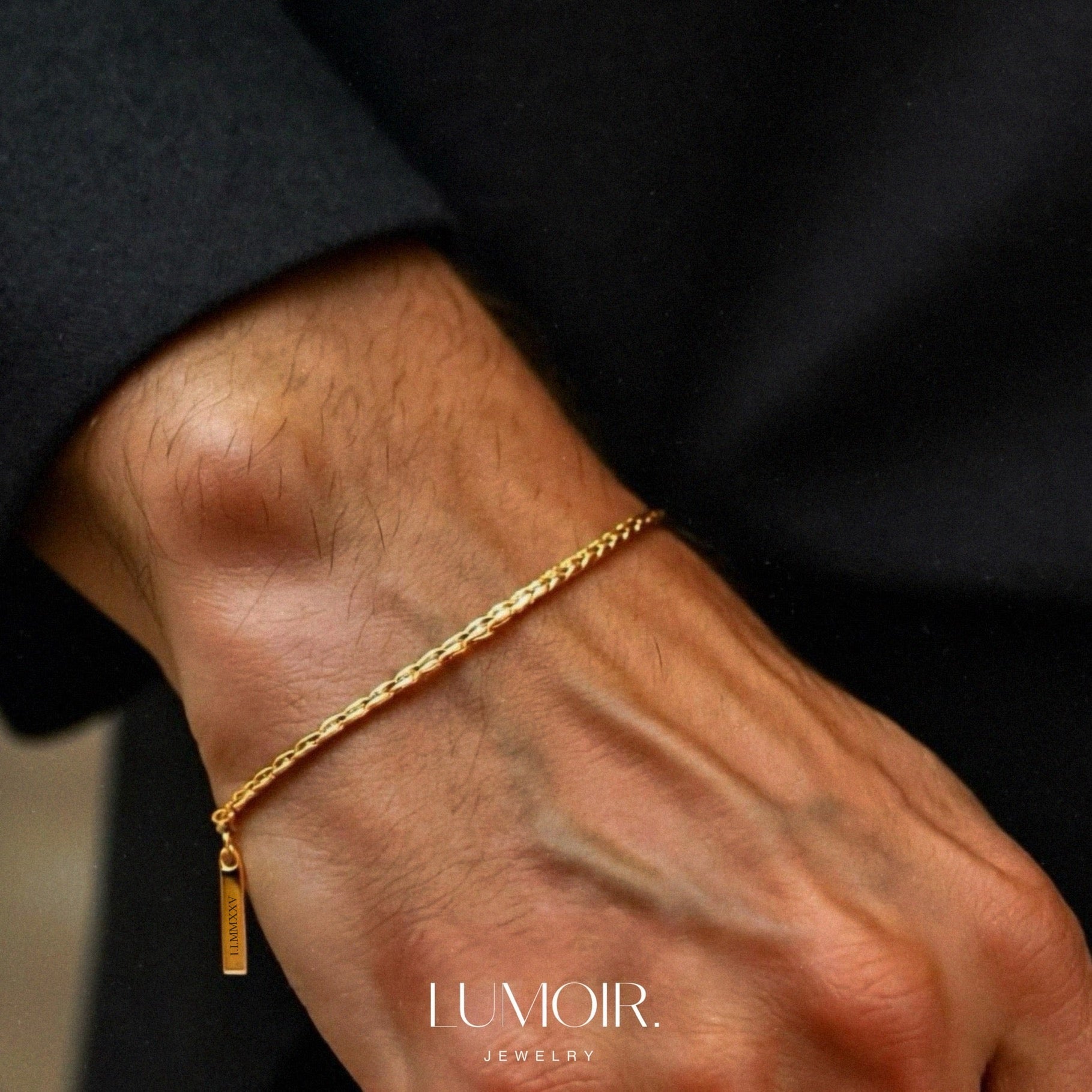
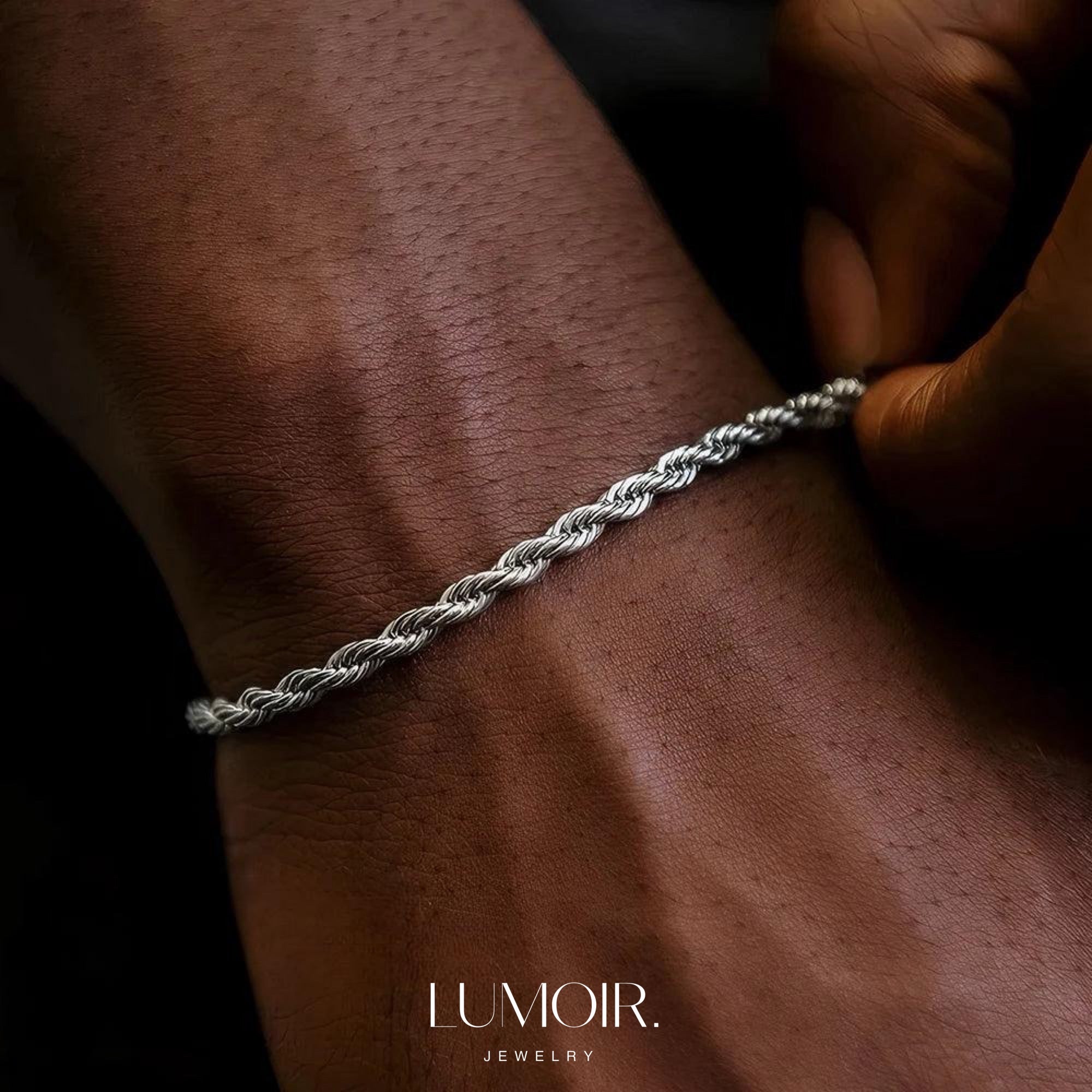
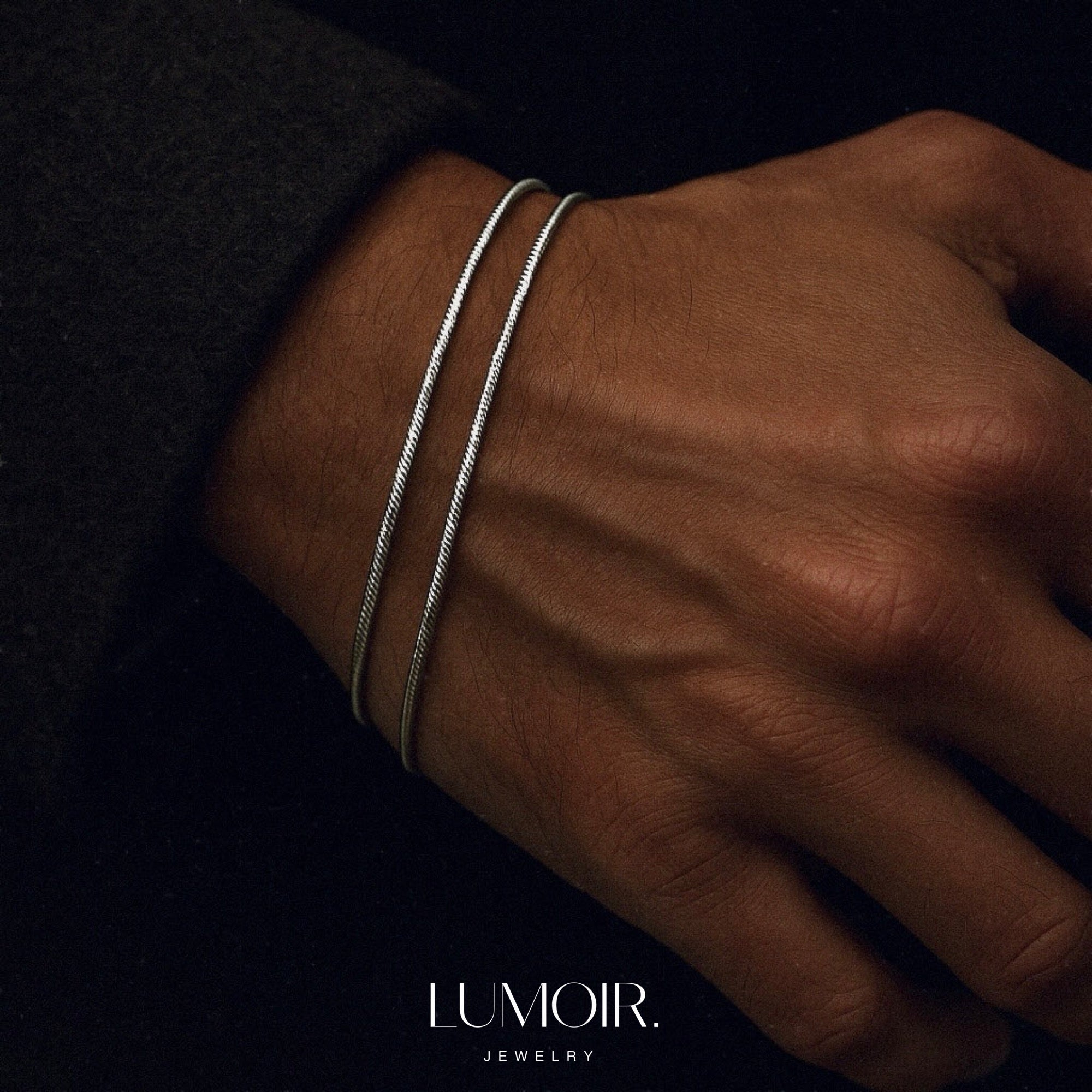
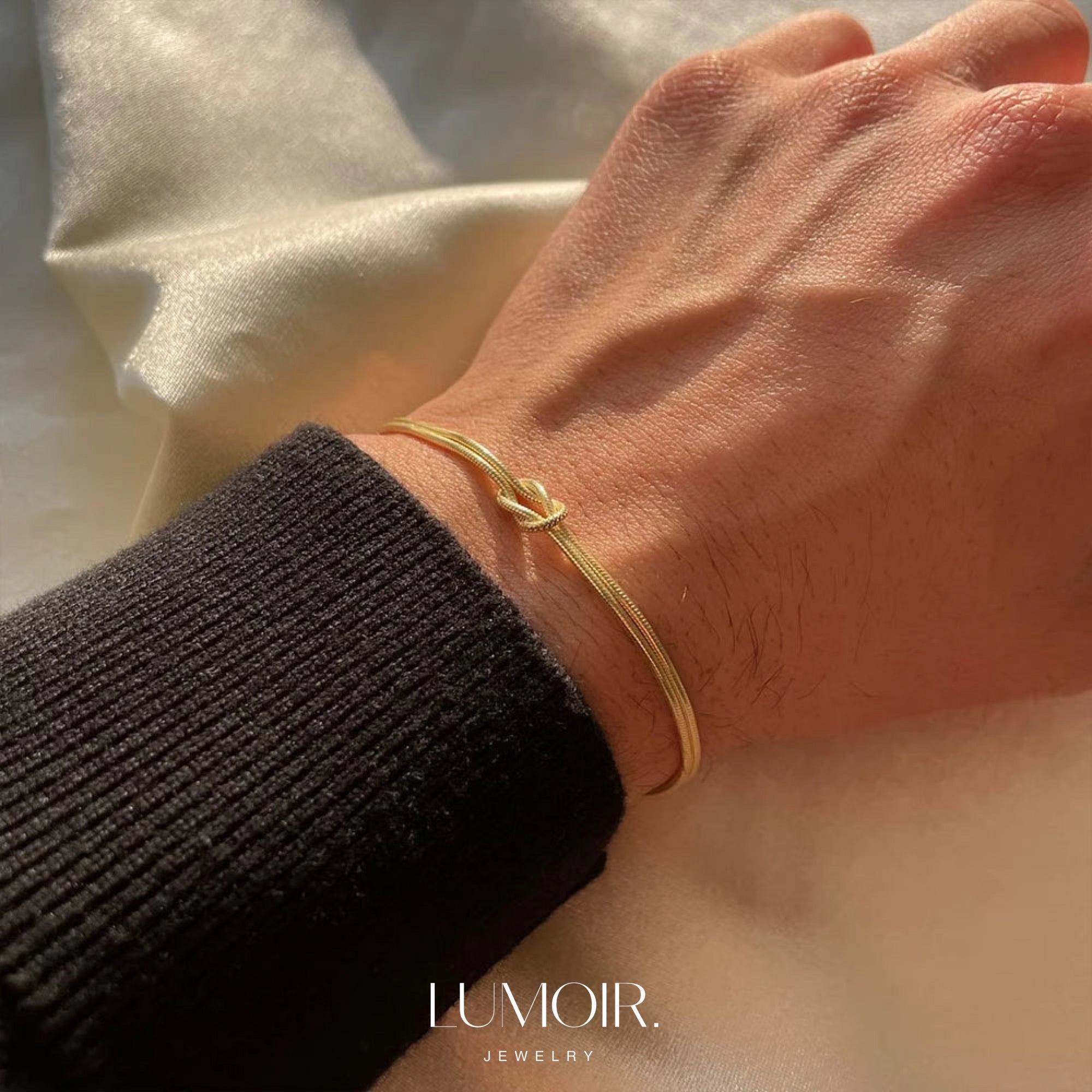
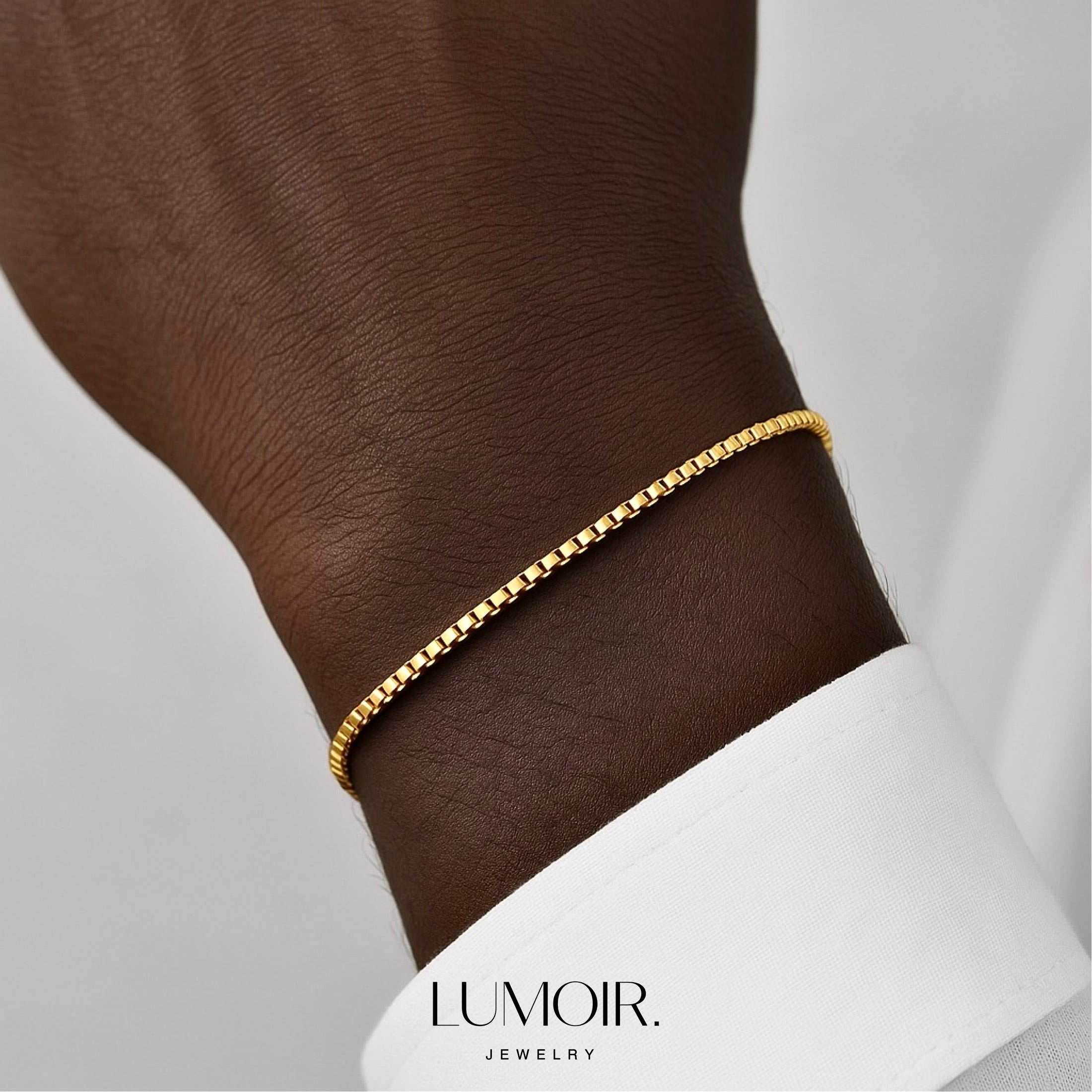
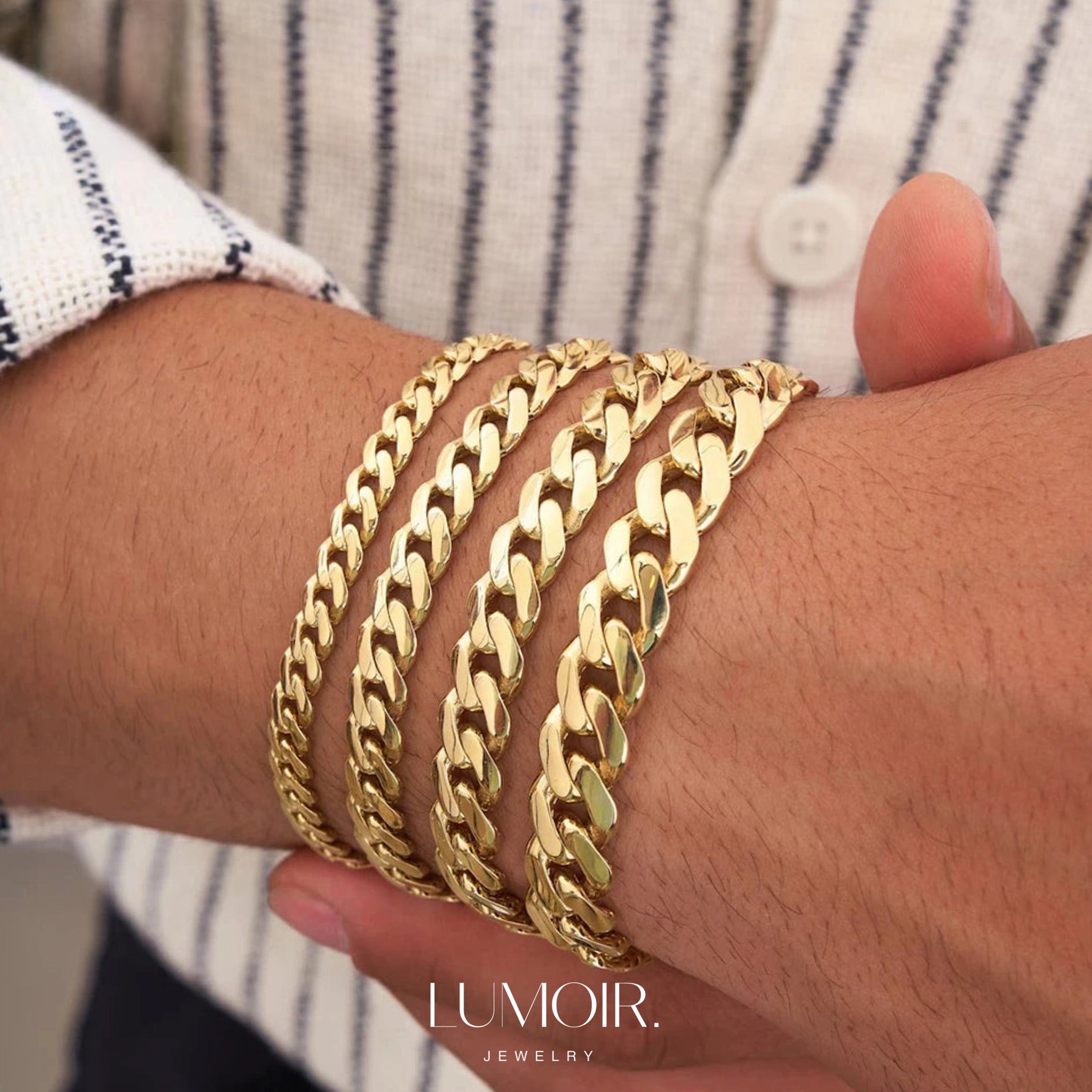
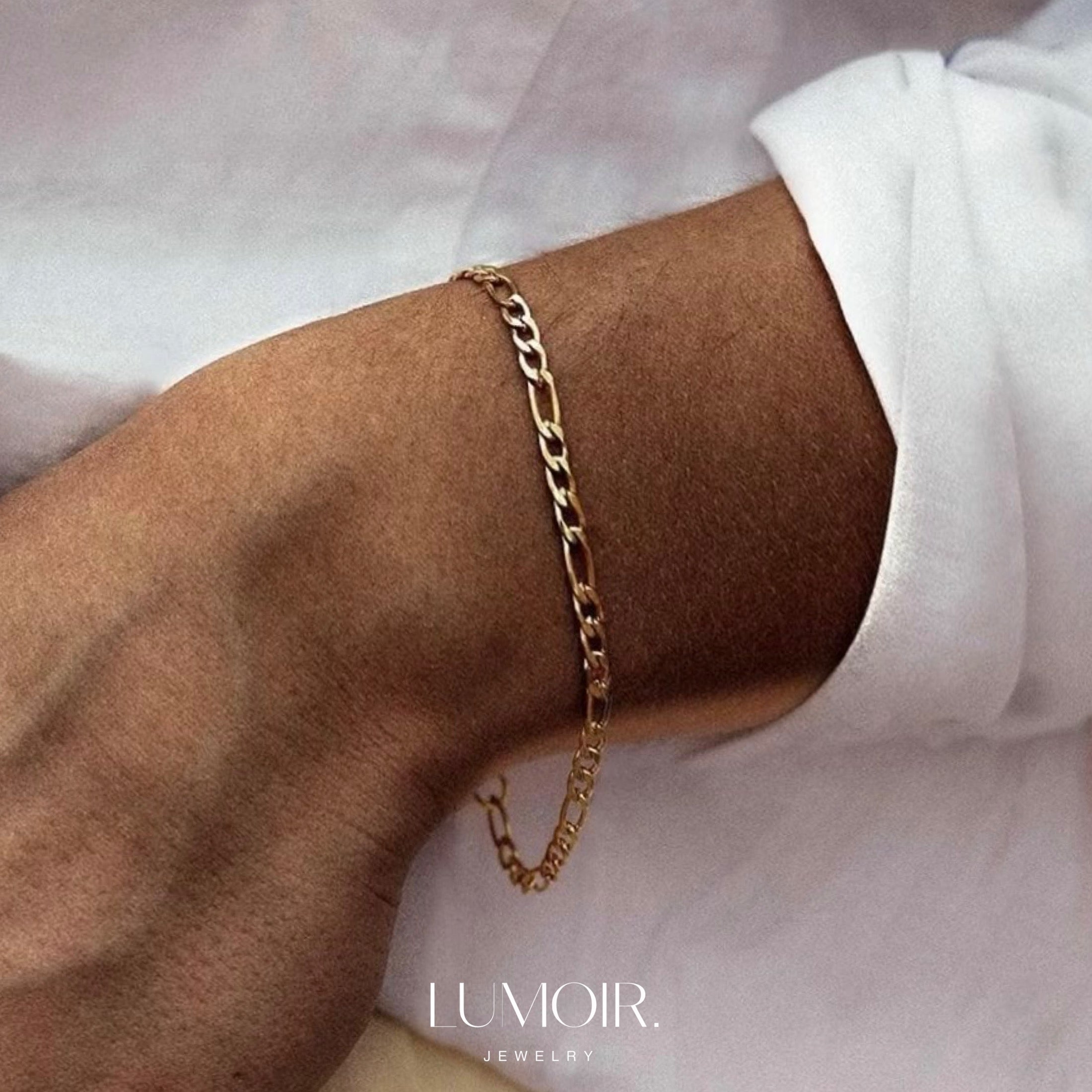
Bracelets: The spectrum extends widely. Narrow link chains made of stainless steel or silver – they can shine subtly or stand out with their strength. Leather bracelets, whether single band or braided in multiple rows, bring a noticeable texture, a certain warmth into play; they become more characterful over time. Pearl bracelets, often made from natural stones such as deep black onyx, volcanic lava or shimmering tiger's eye, add colorful or structural accents and often appear grounded or spiritually inspired. Robust paracord or rope bracelets, sometimes with maritime knots or clasps, are also included.
-
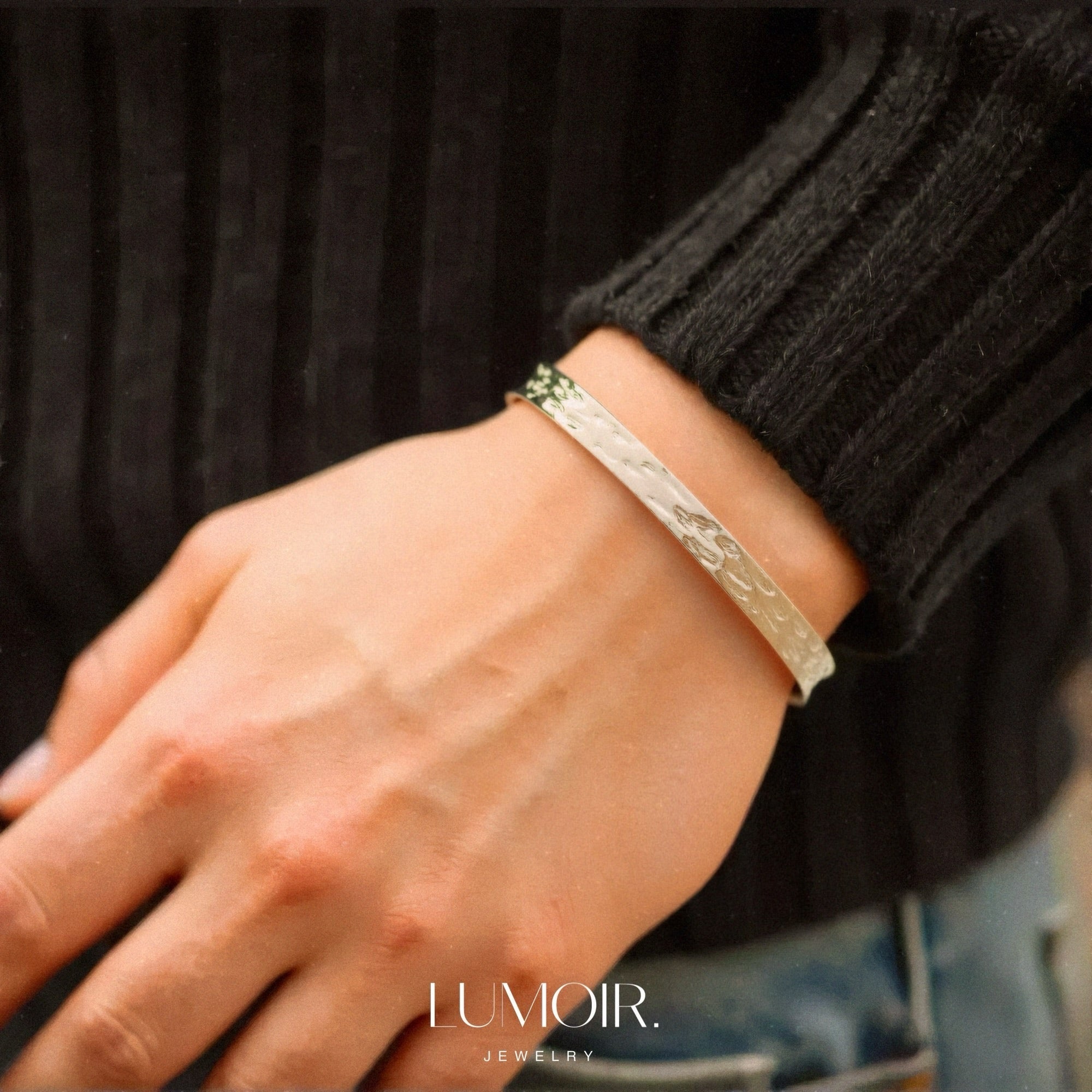
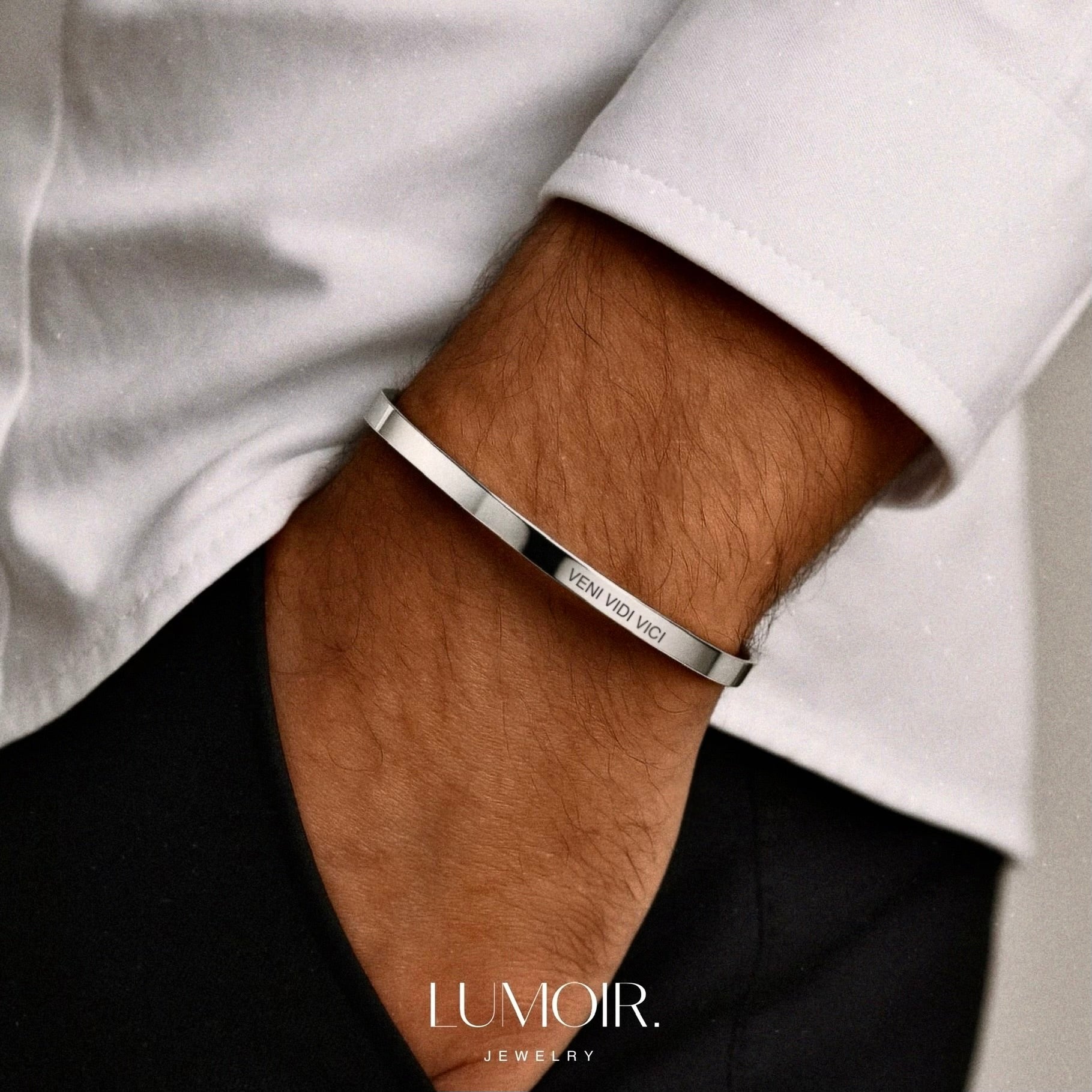
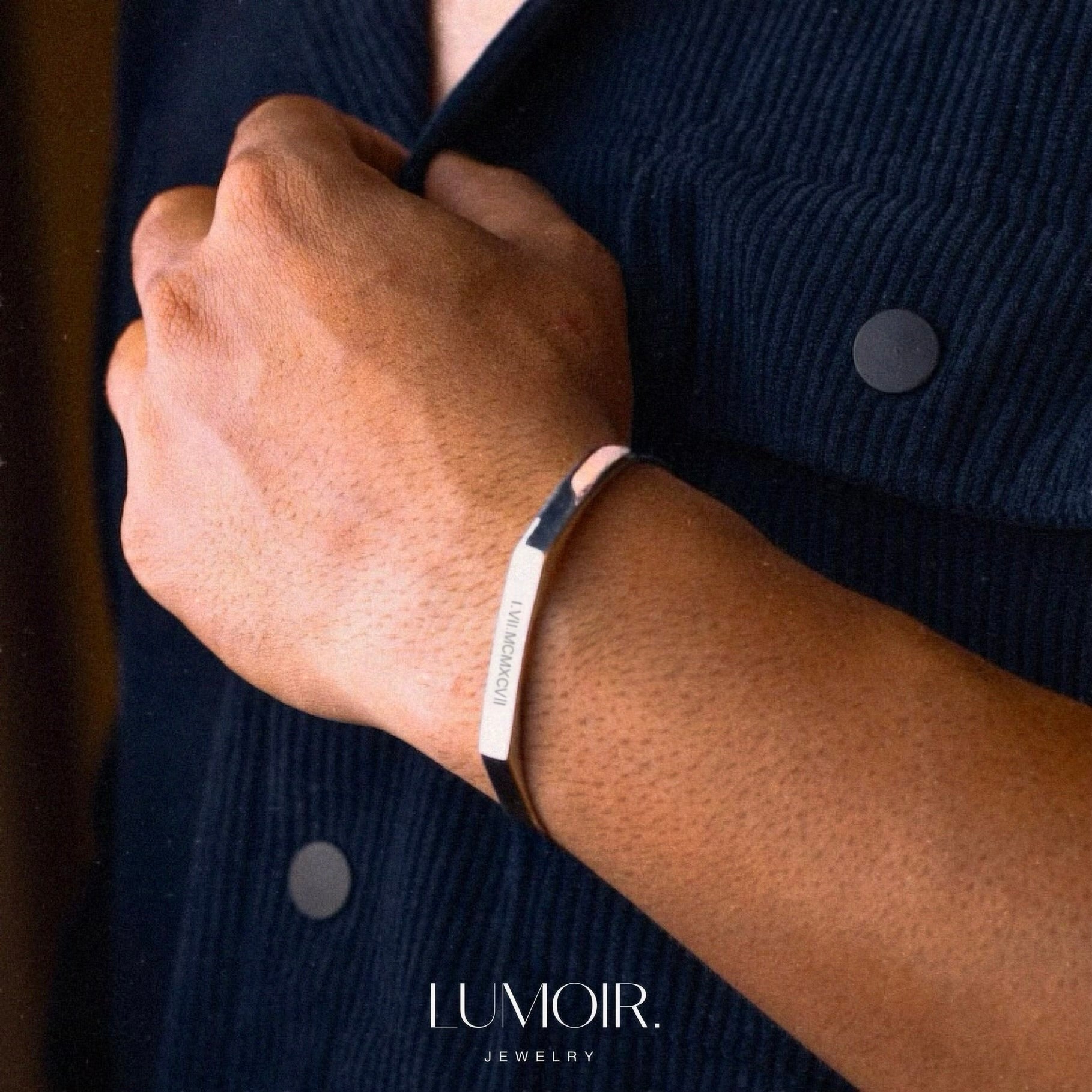
Bangles and Cuffs: These rigid or semi-open pieces, often made of solid metal or wide leather, tend to be more concise. A narrow metal hoop can appear very reduced and modern, while a wide cuff represents an unmistakable statement.
-
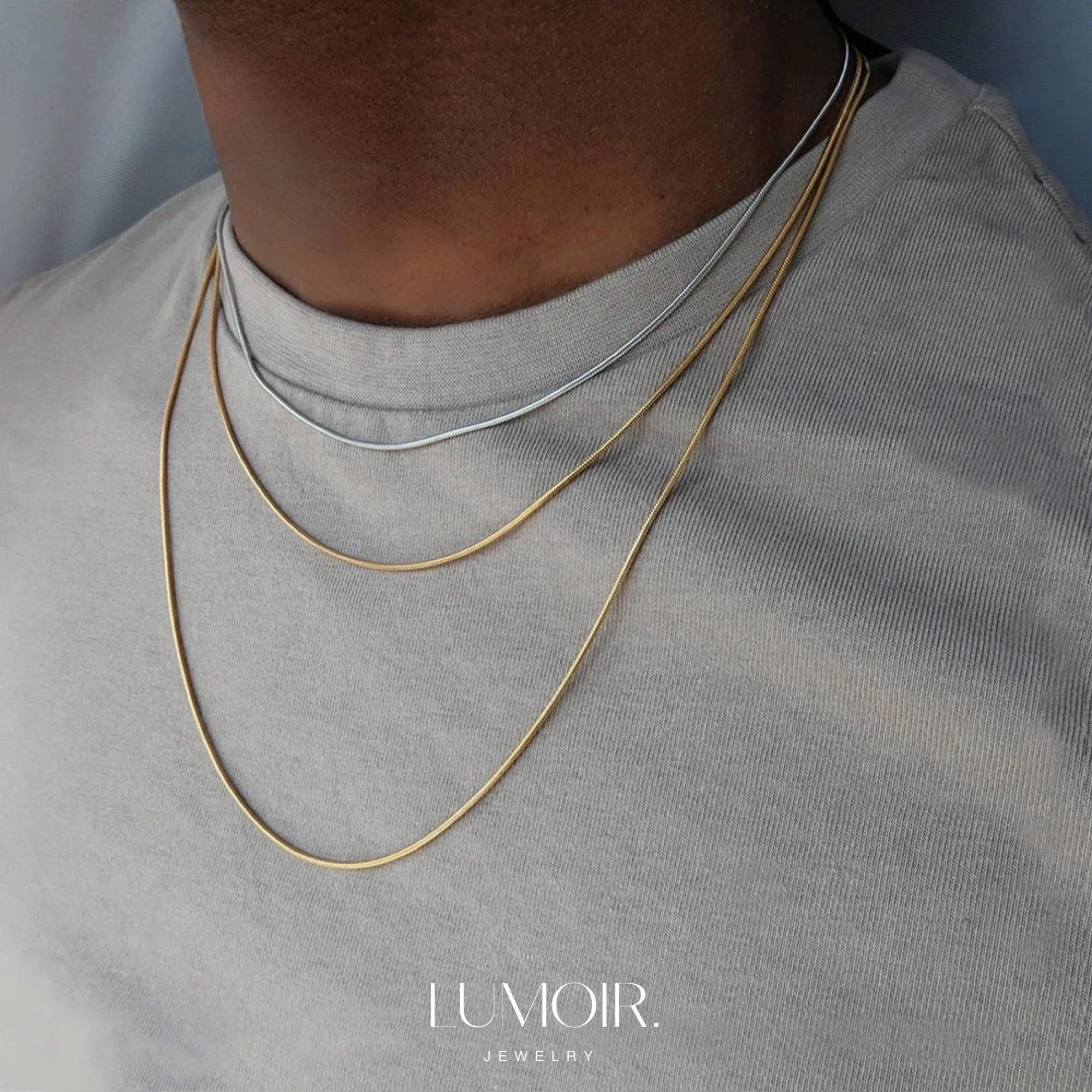
Around the neck: Here chains act as a focal point, sometimes visible, sometimes only worn as a personal secret.
-
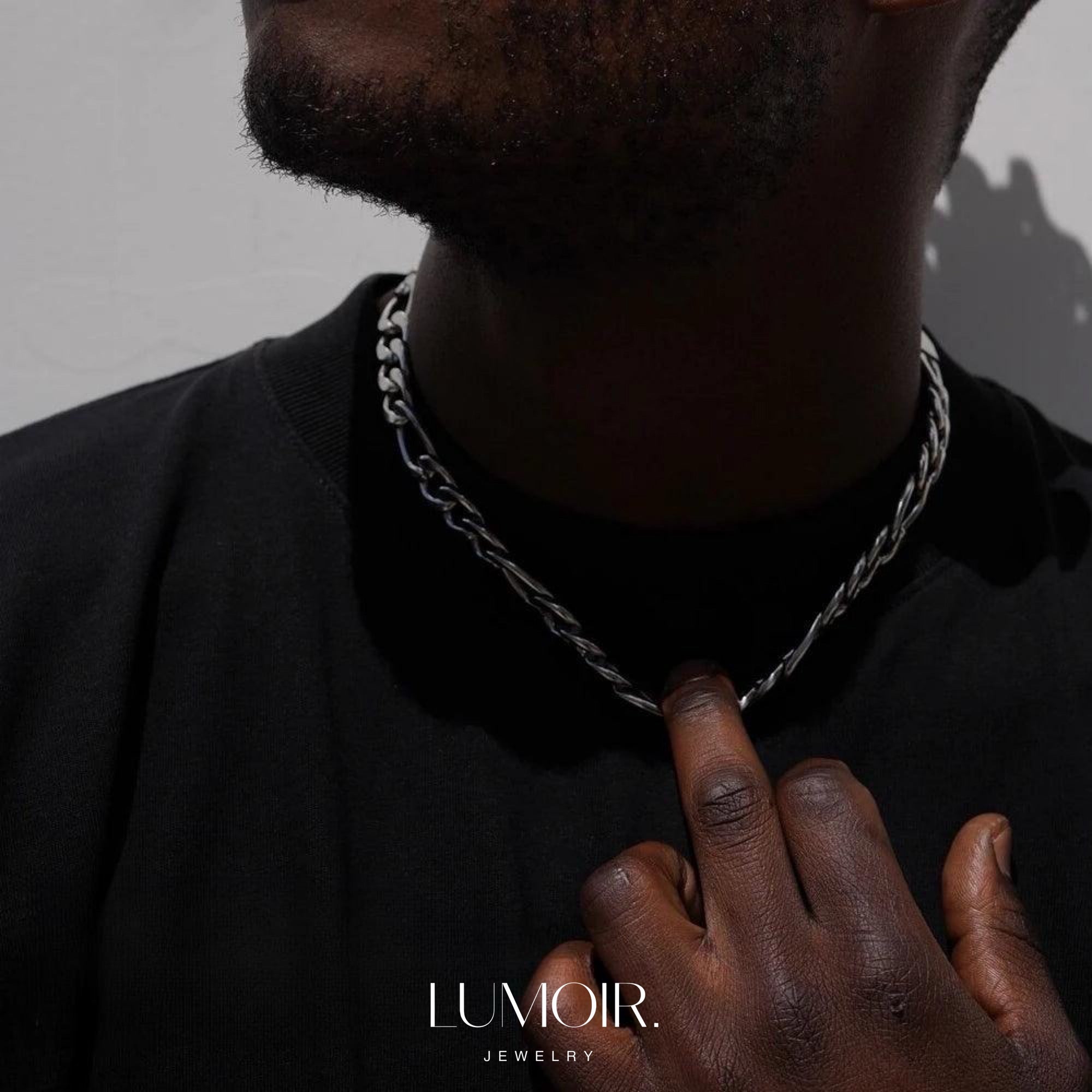
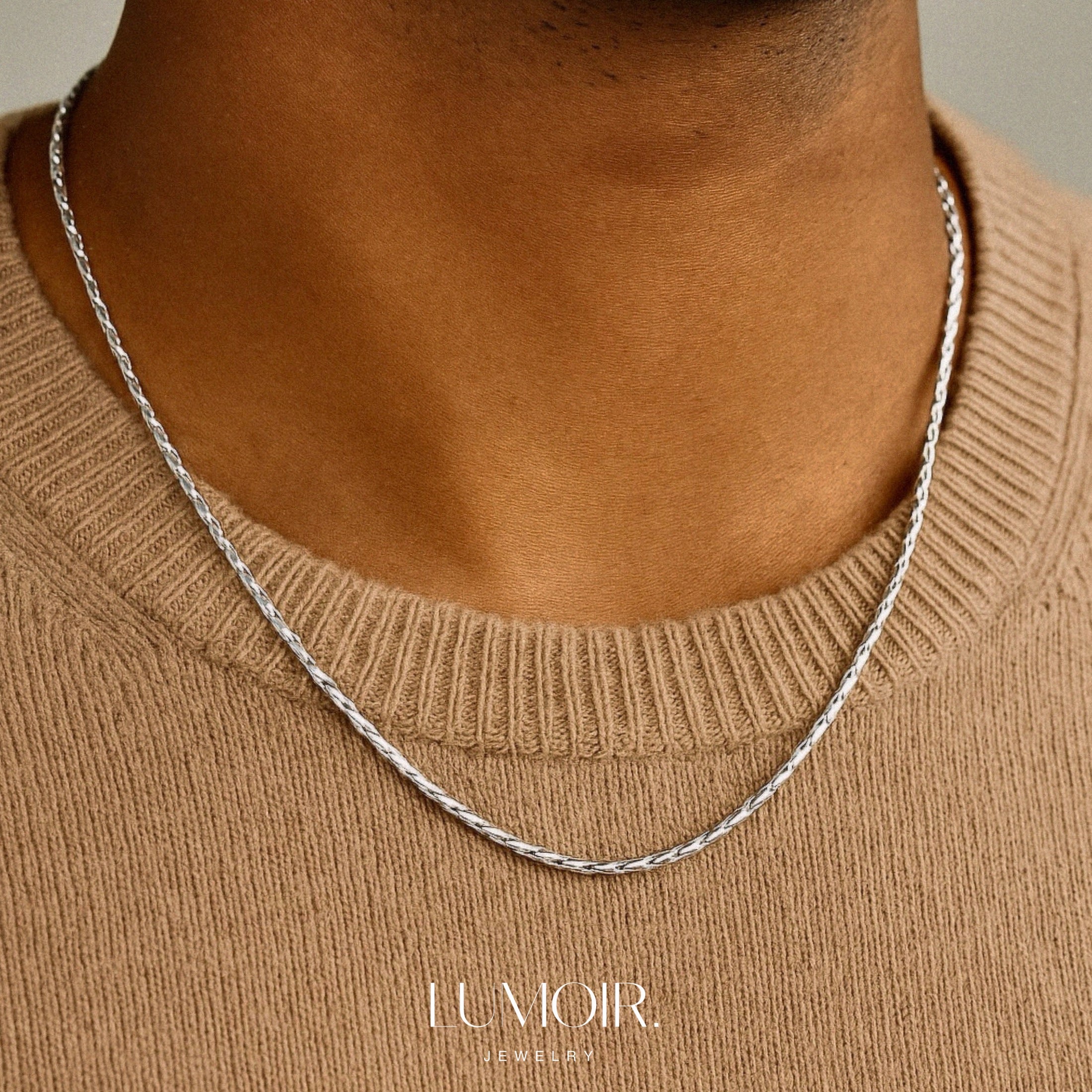
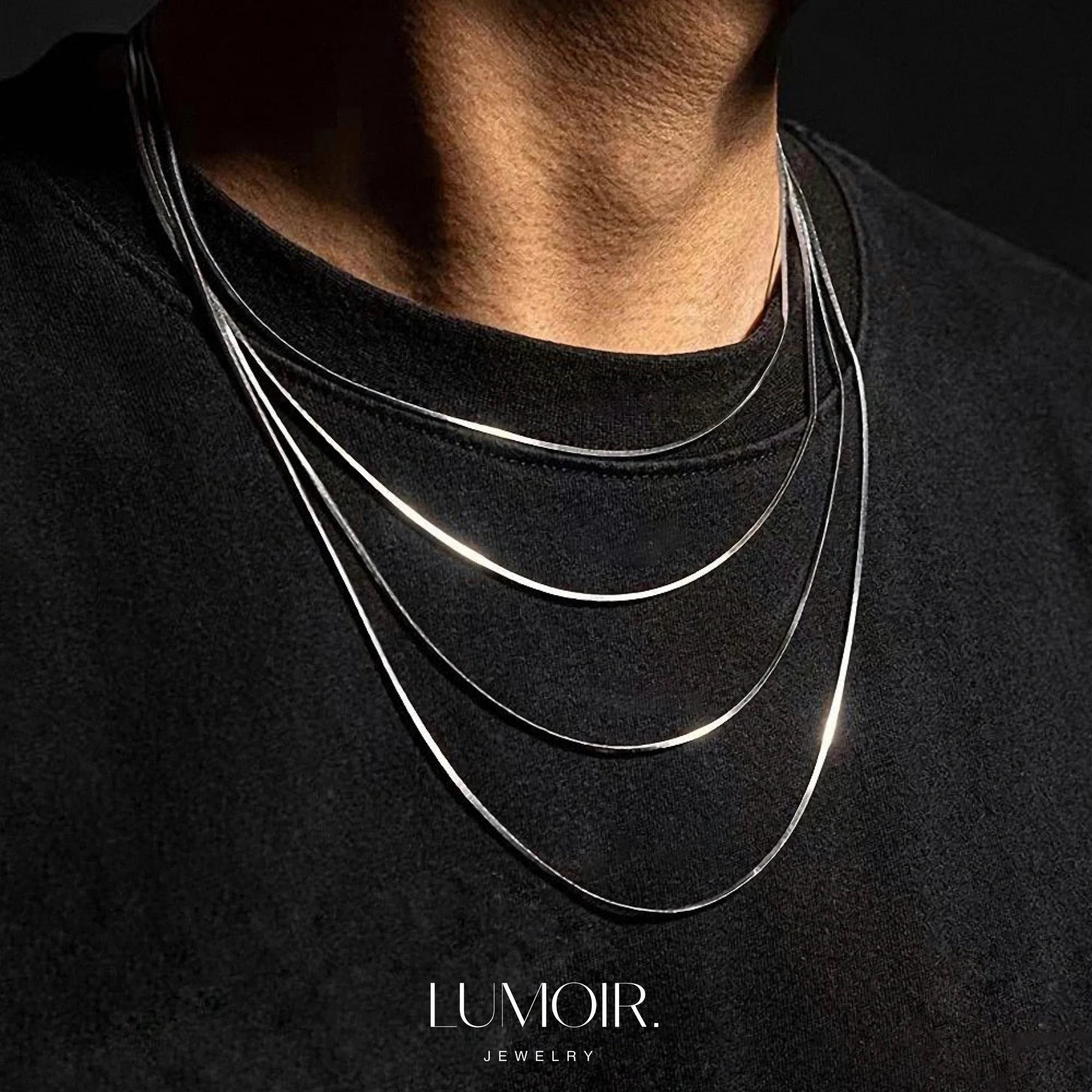
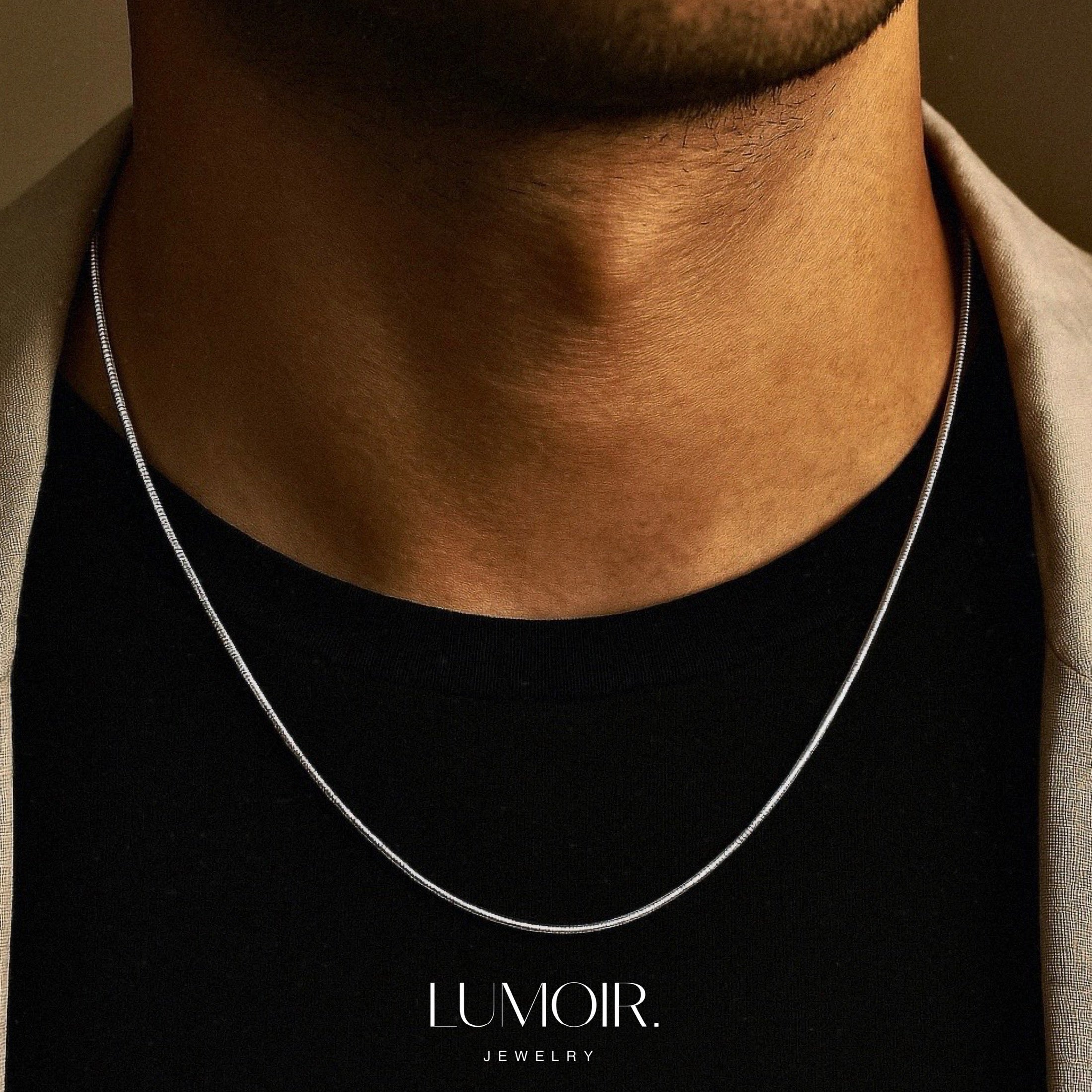
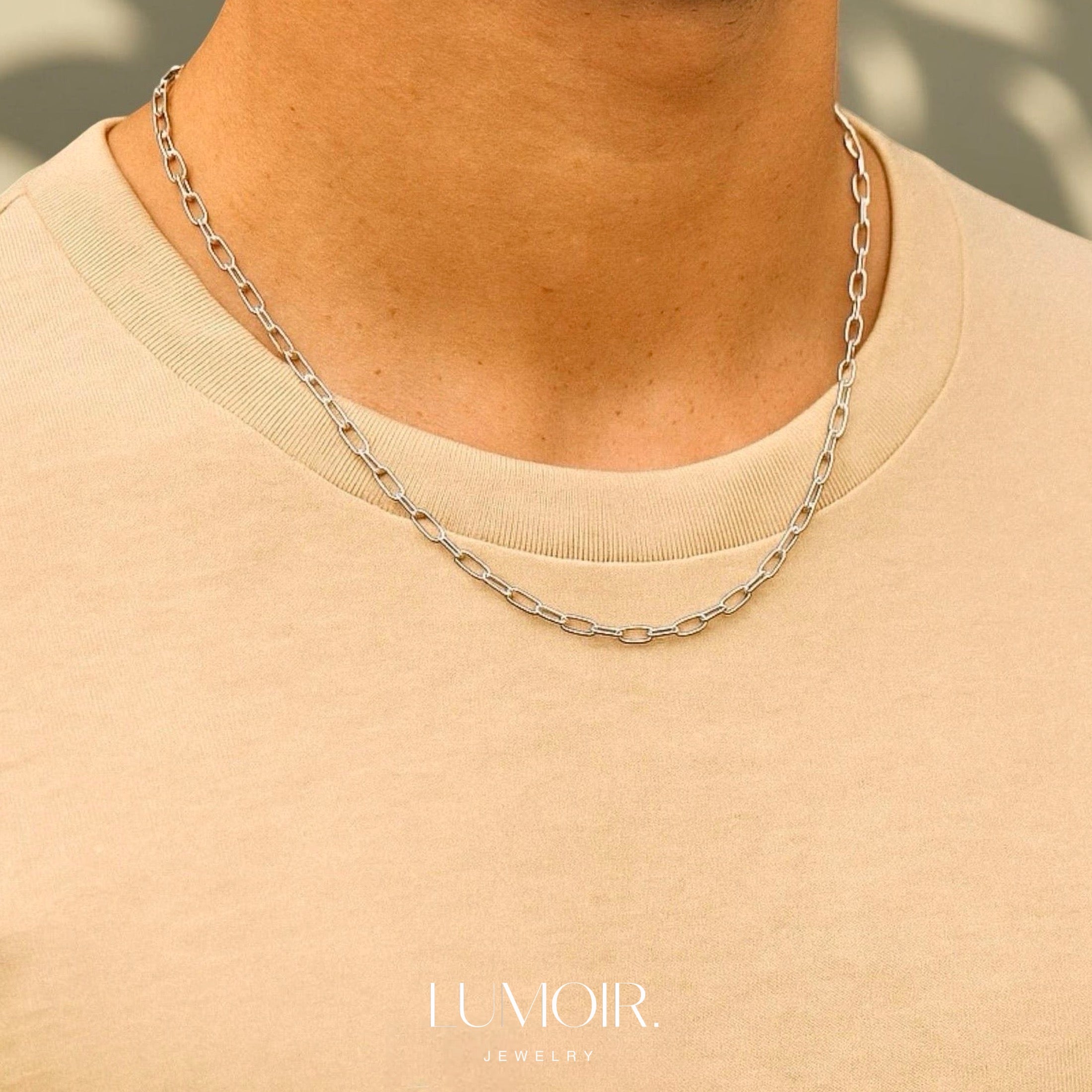
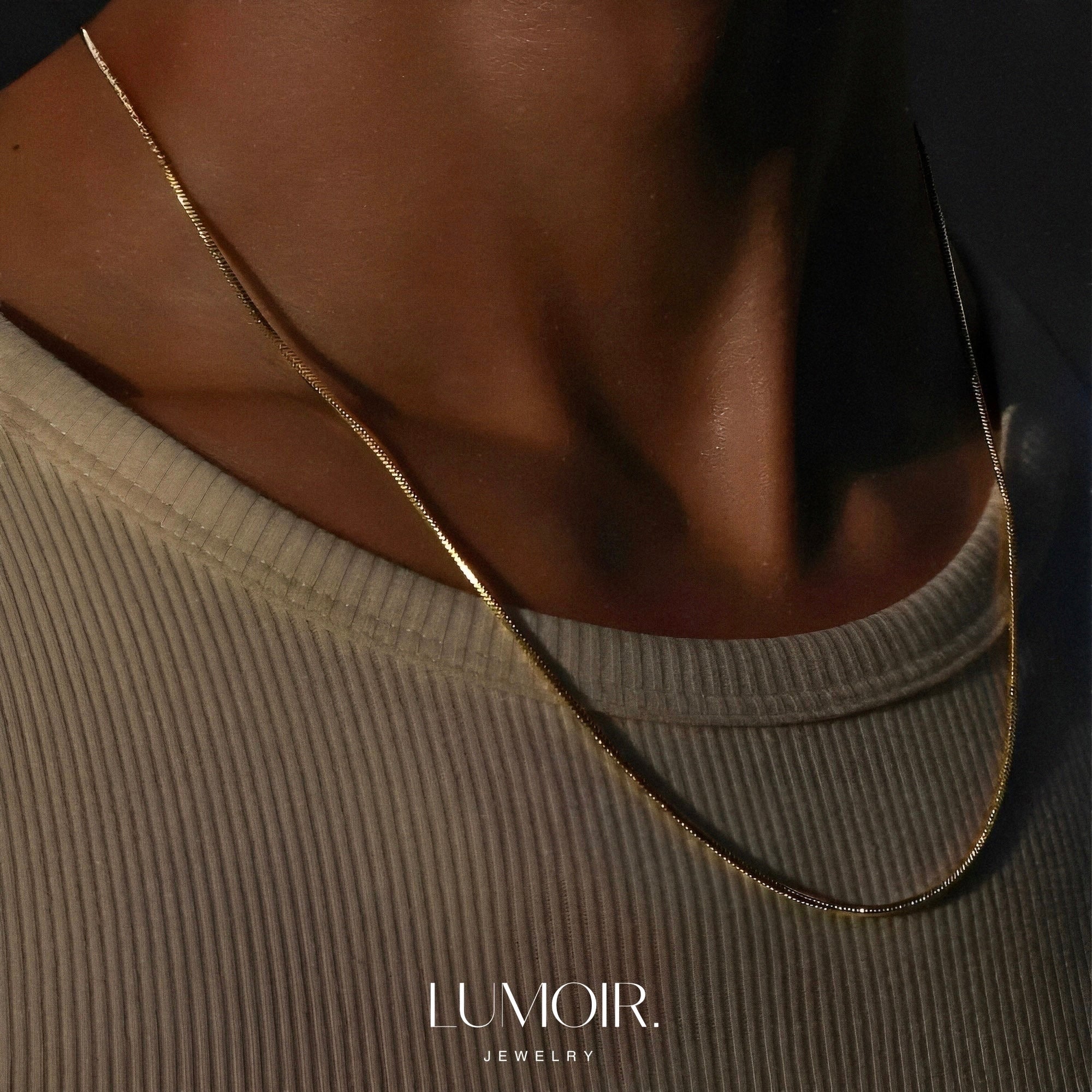
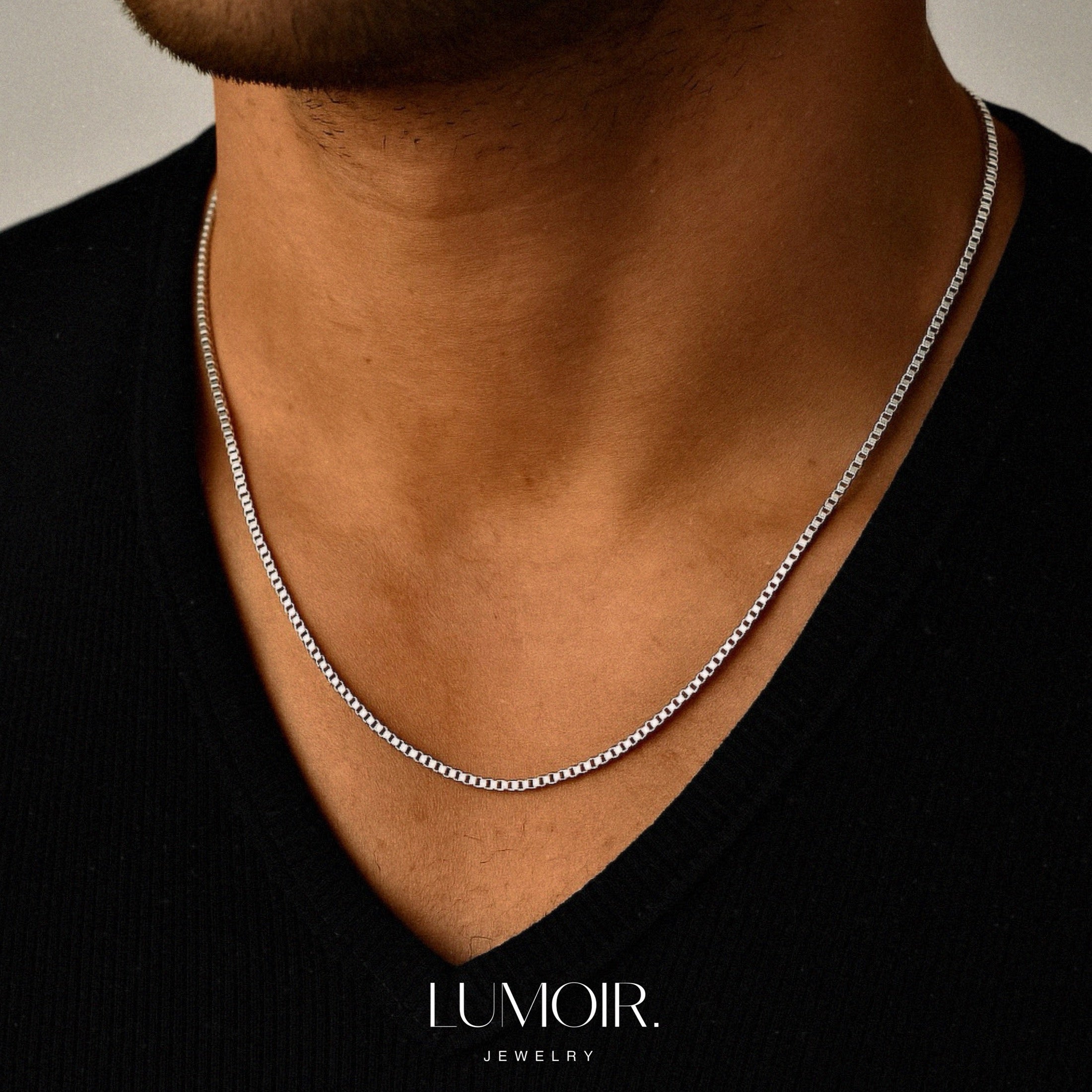
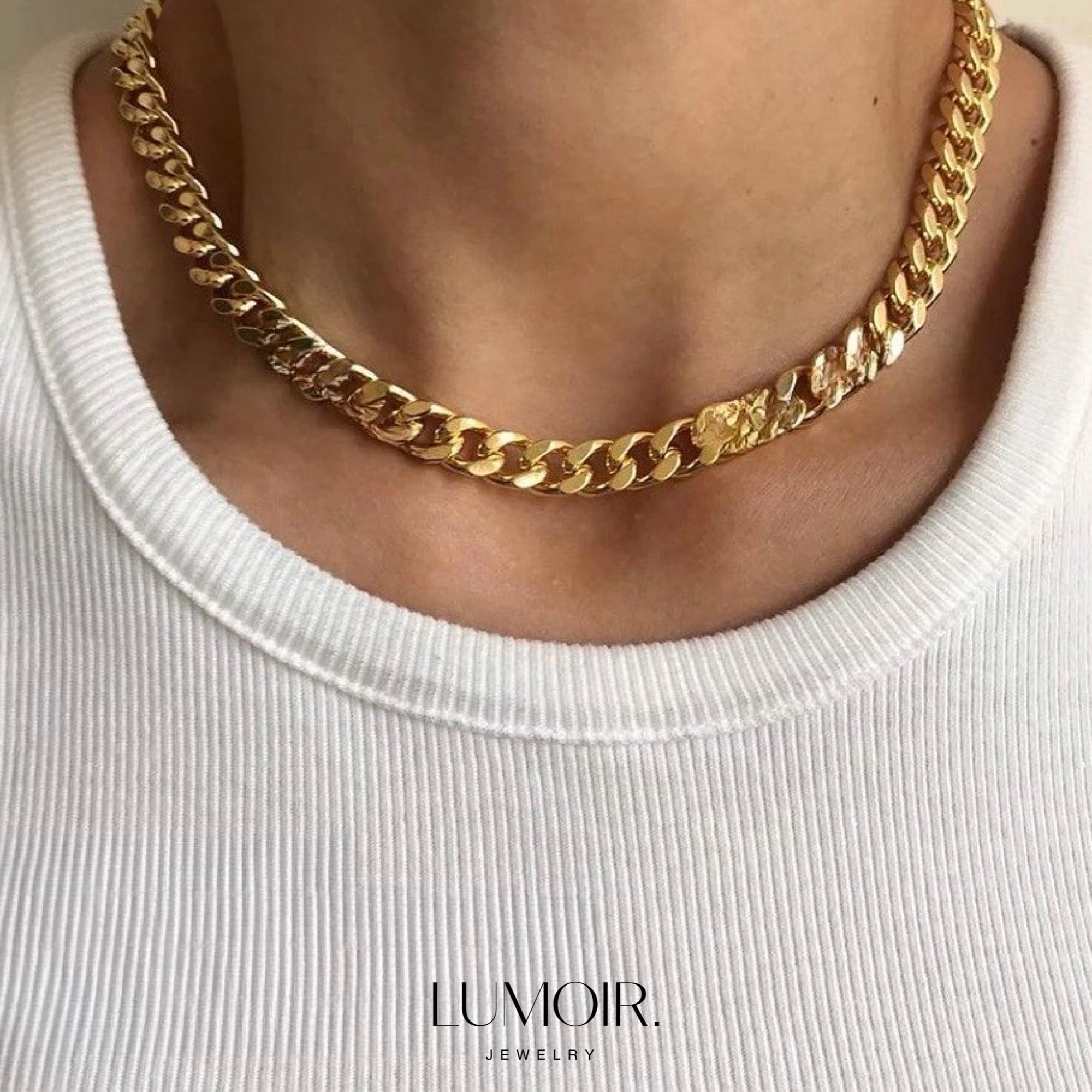
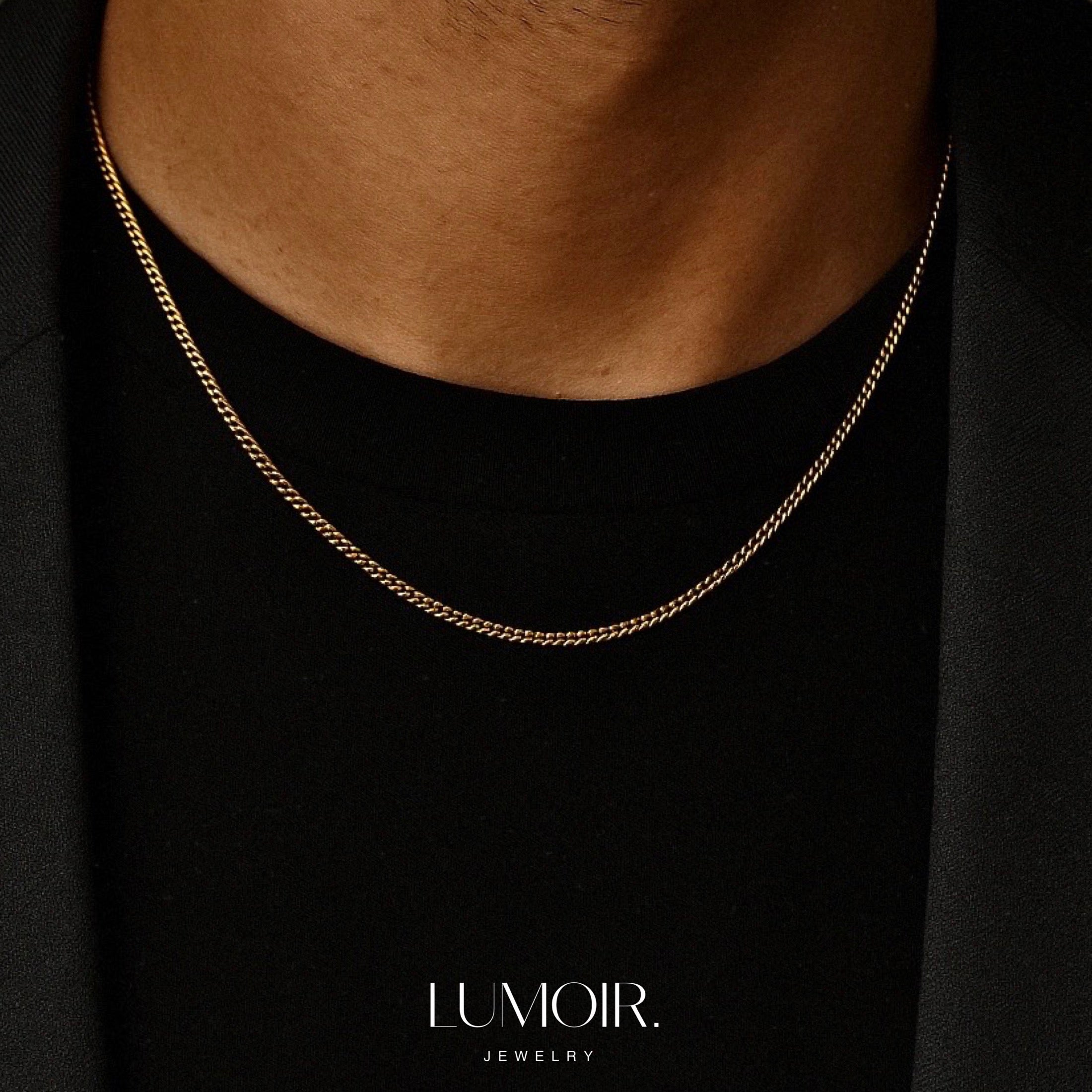
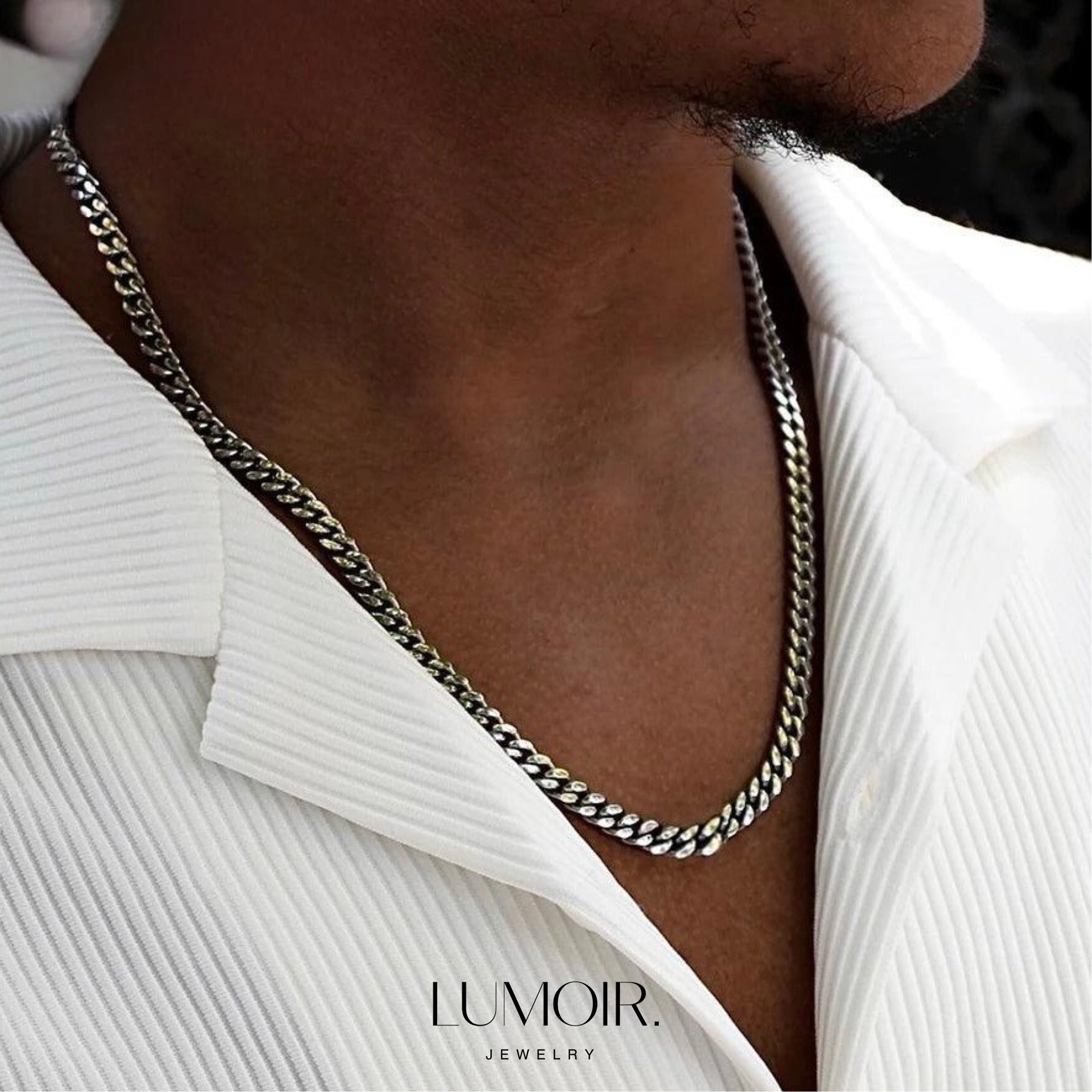
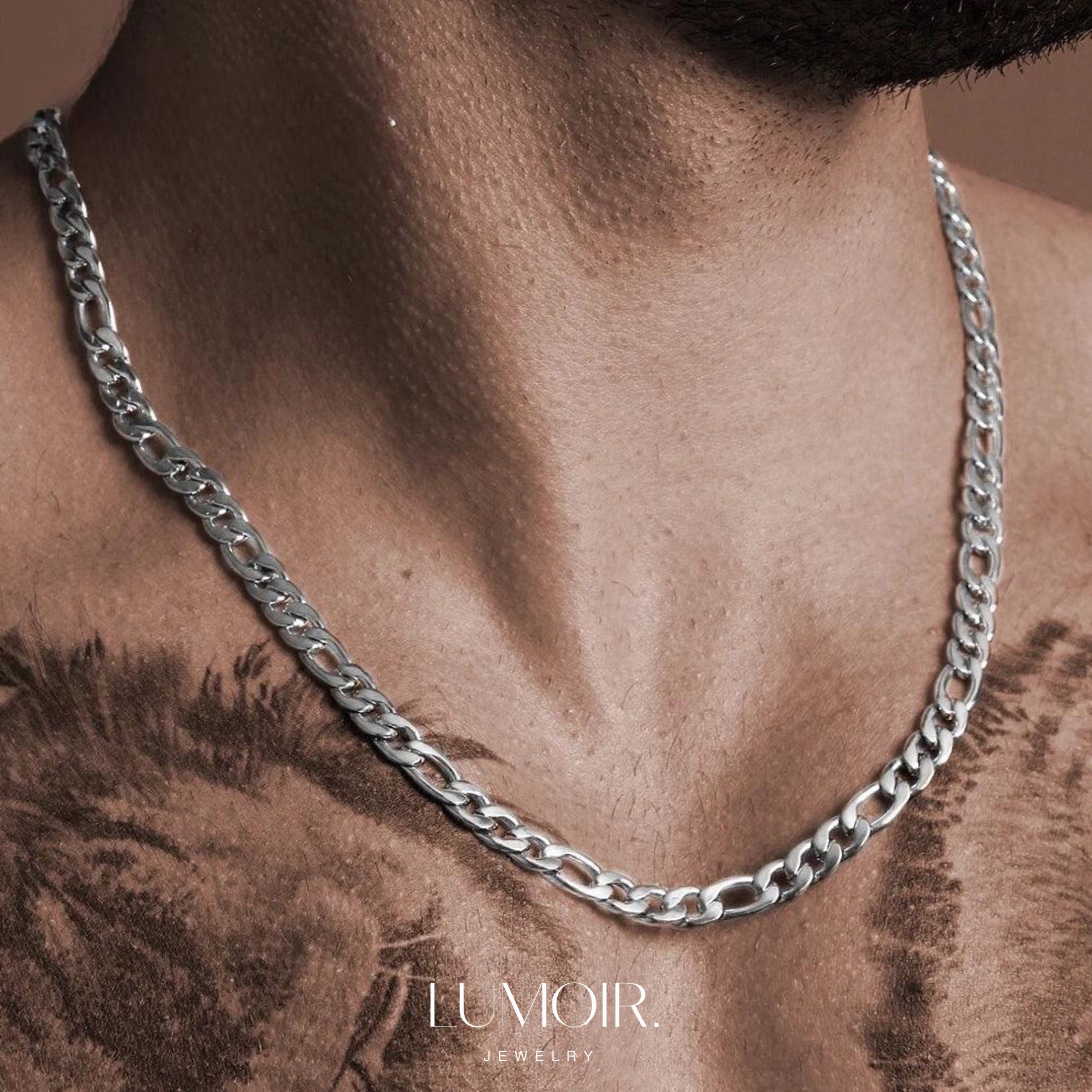
Chain types: The chain itself can be the design – think of the solid links of a king chain, the clean line of an anchor chain or the delicate weave of a snake chain. They are usually made of sturdy metals.
-
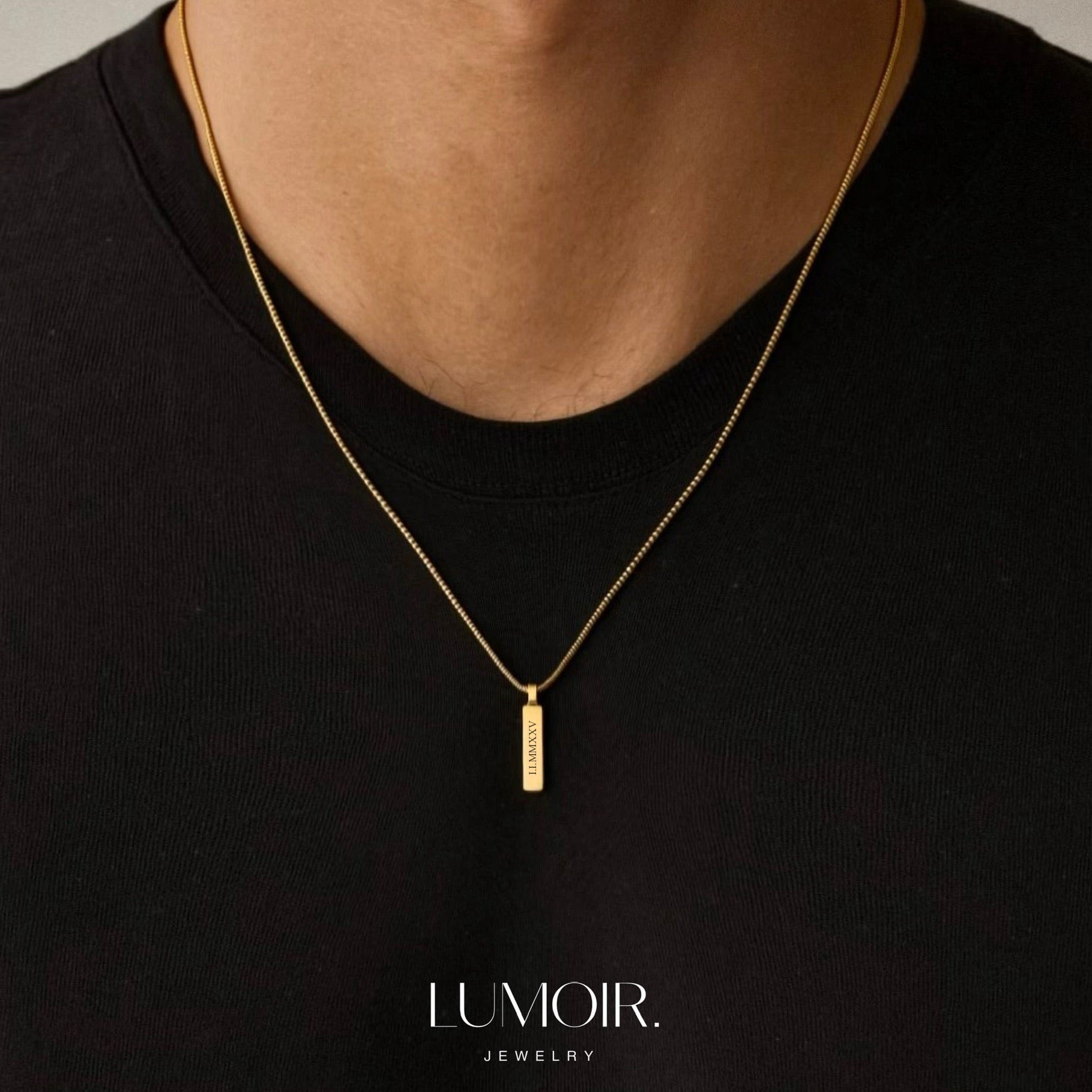
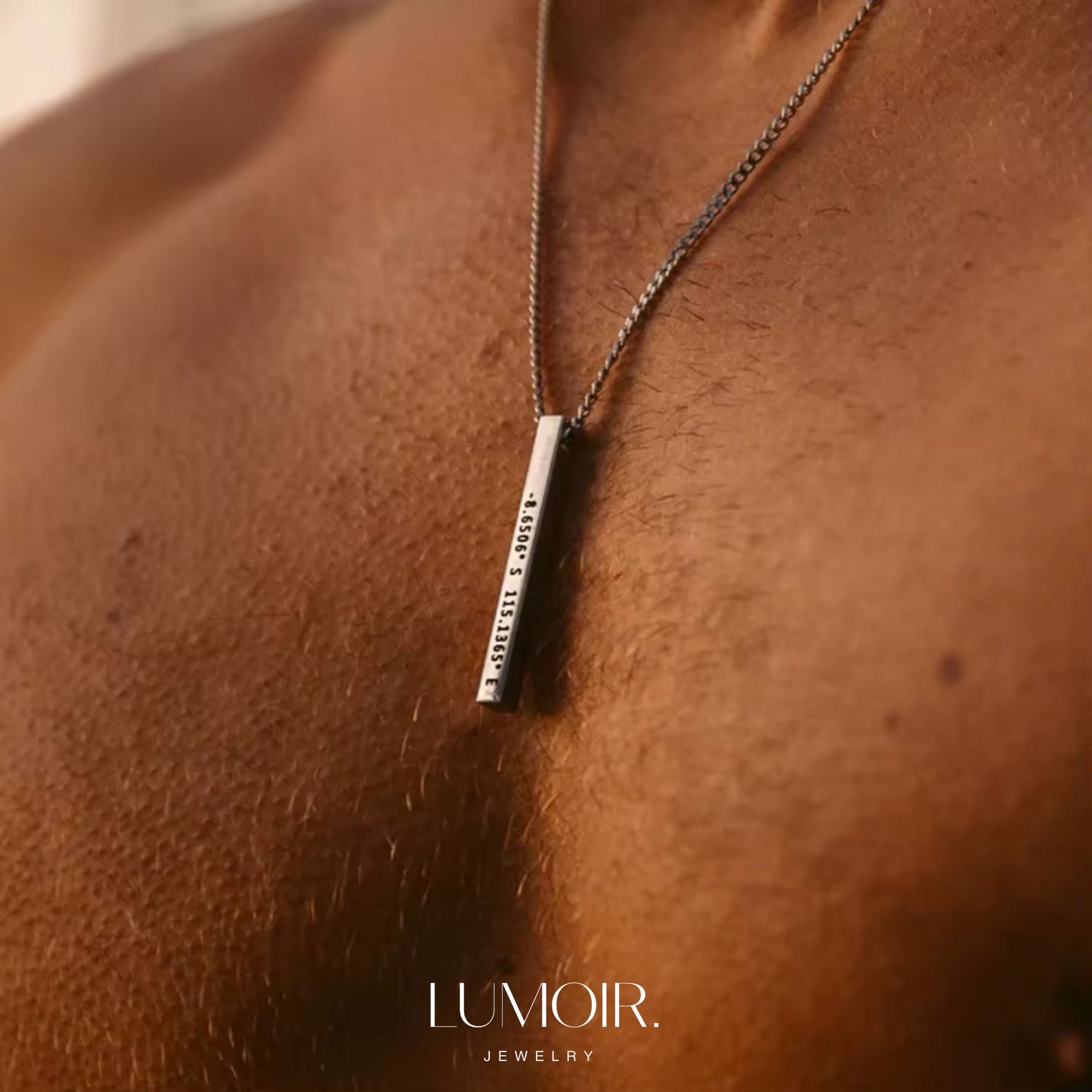
With trailer: But often a trailer takes center stage. The iconic dog tag, originally a military element, has long since arrived in streetwear. Crosses, from minimalist to detailed, carry symbolic or aesthetic meaning. Other pendants – geometric shapes, symbolic motifs (anchor, compass), a single letter or a small gemstone – allow for very individual statements. Leather straps or simple pearl necklaces can serve as alternative carriers.
-
On the fingers: For men, rings are often highly symbolic or very design-oriented.
-
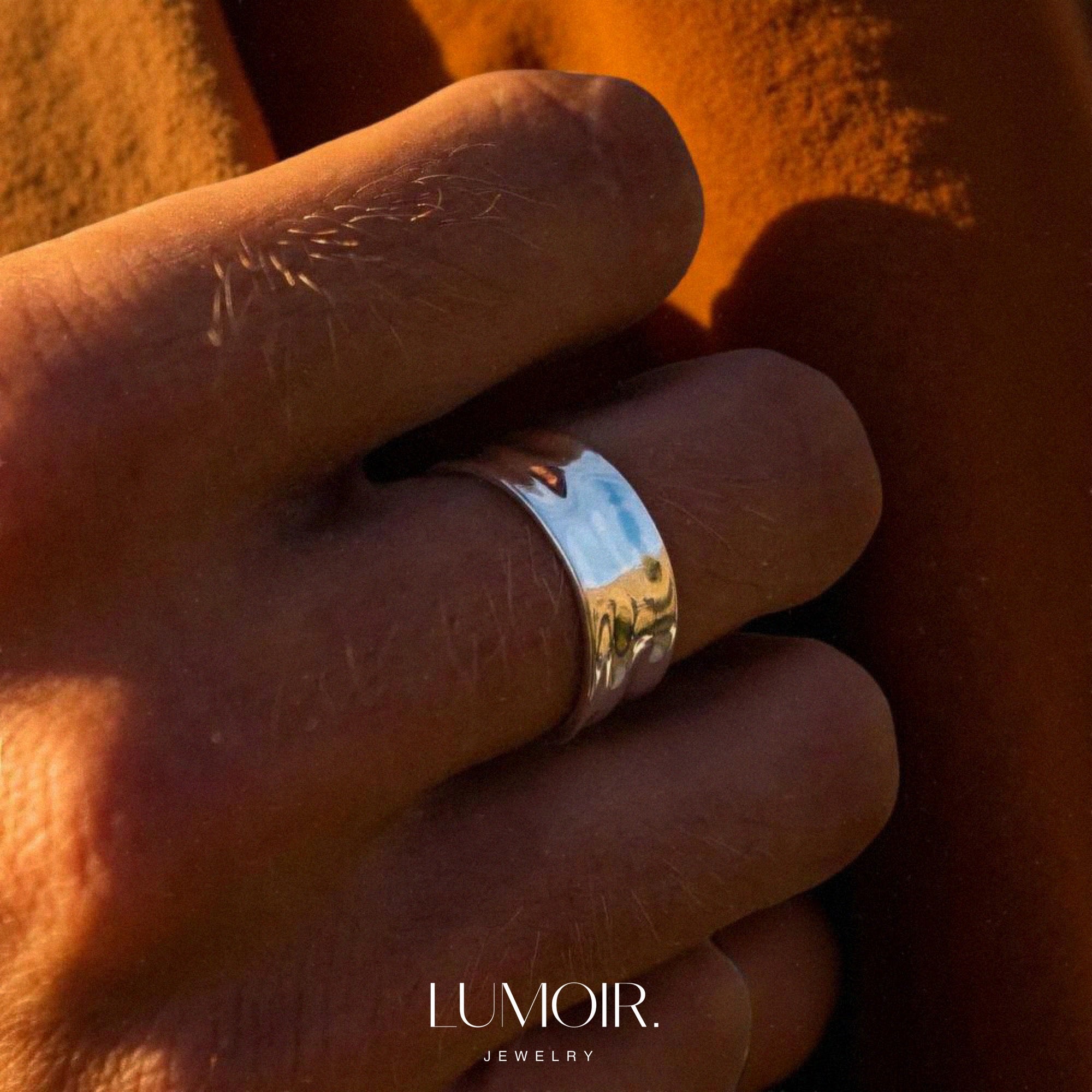
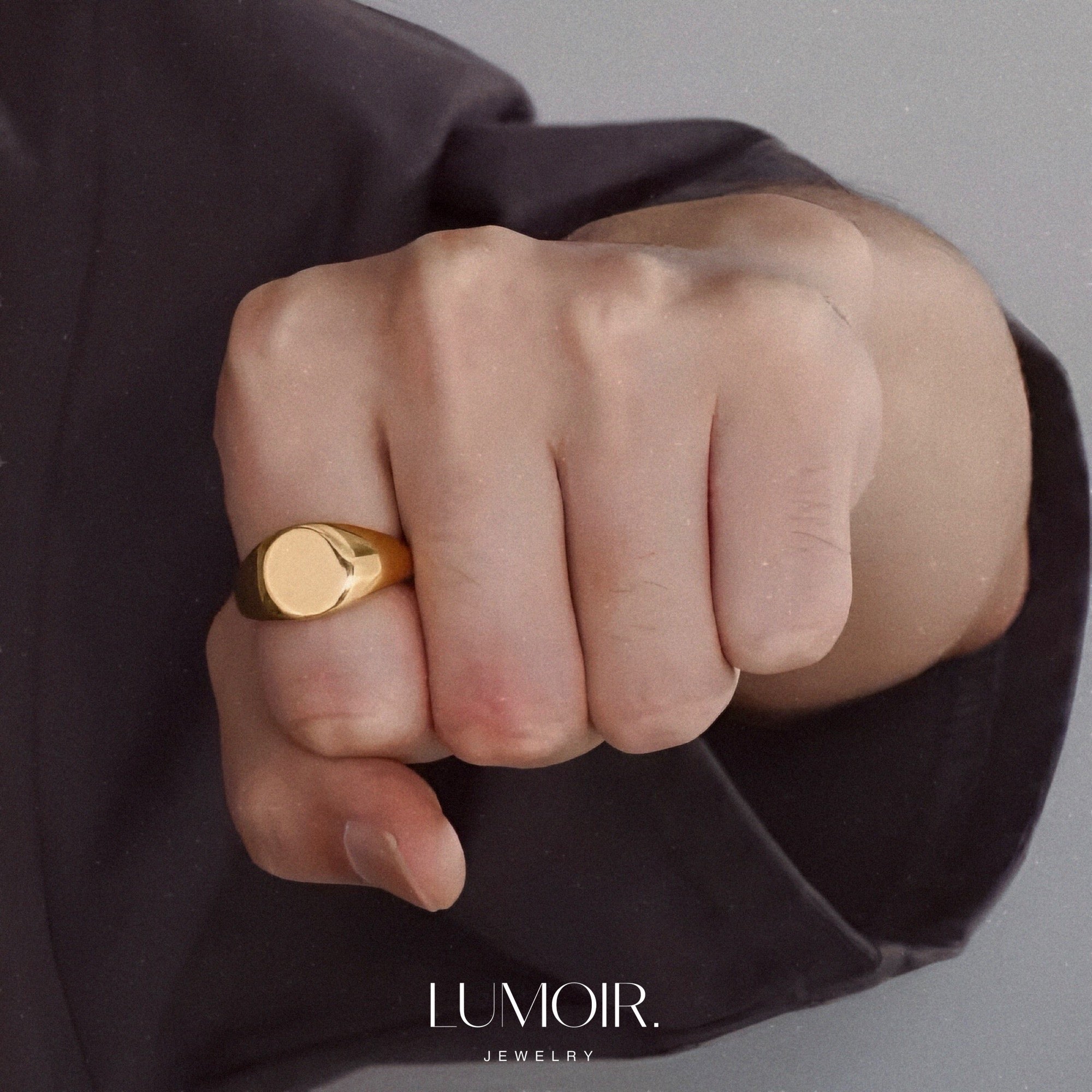
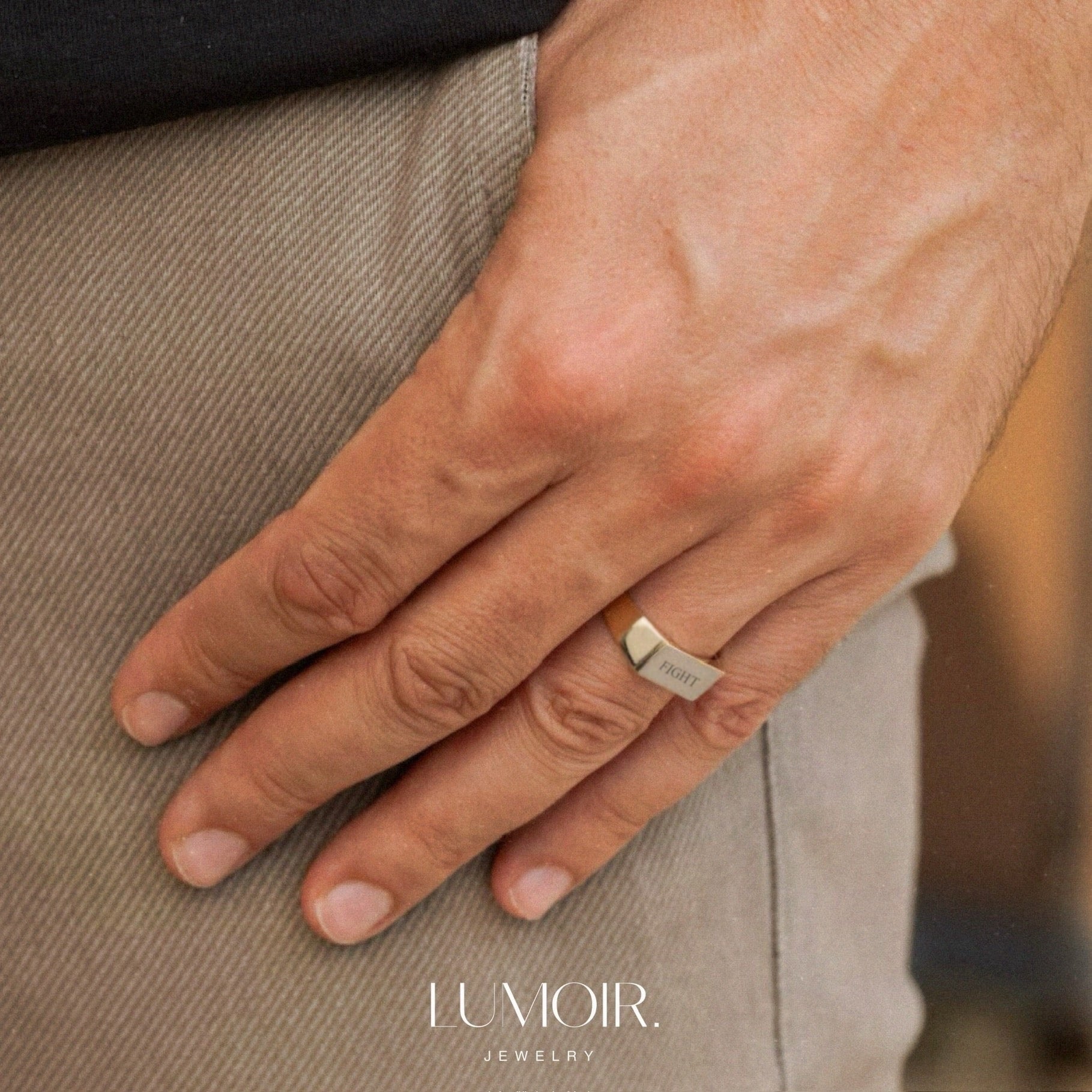
The classics & statements: In addition to the wedding ring, there are often signet rings - worn on the ring or little finger, sometimes with personal engravings, a piece with a story. Wide statement rings, often made of solid metal, sometimes with a single stone or a special relief, deliberately attract attention.
-
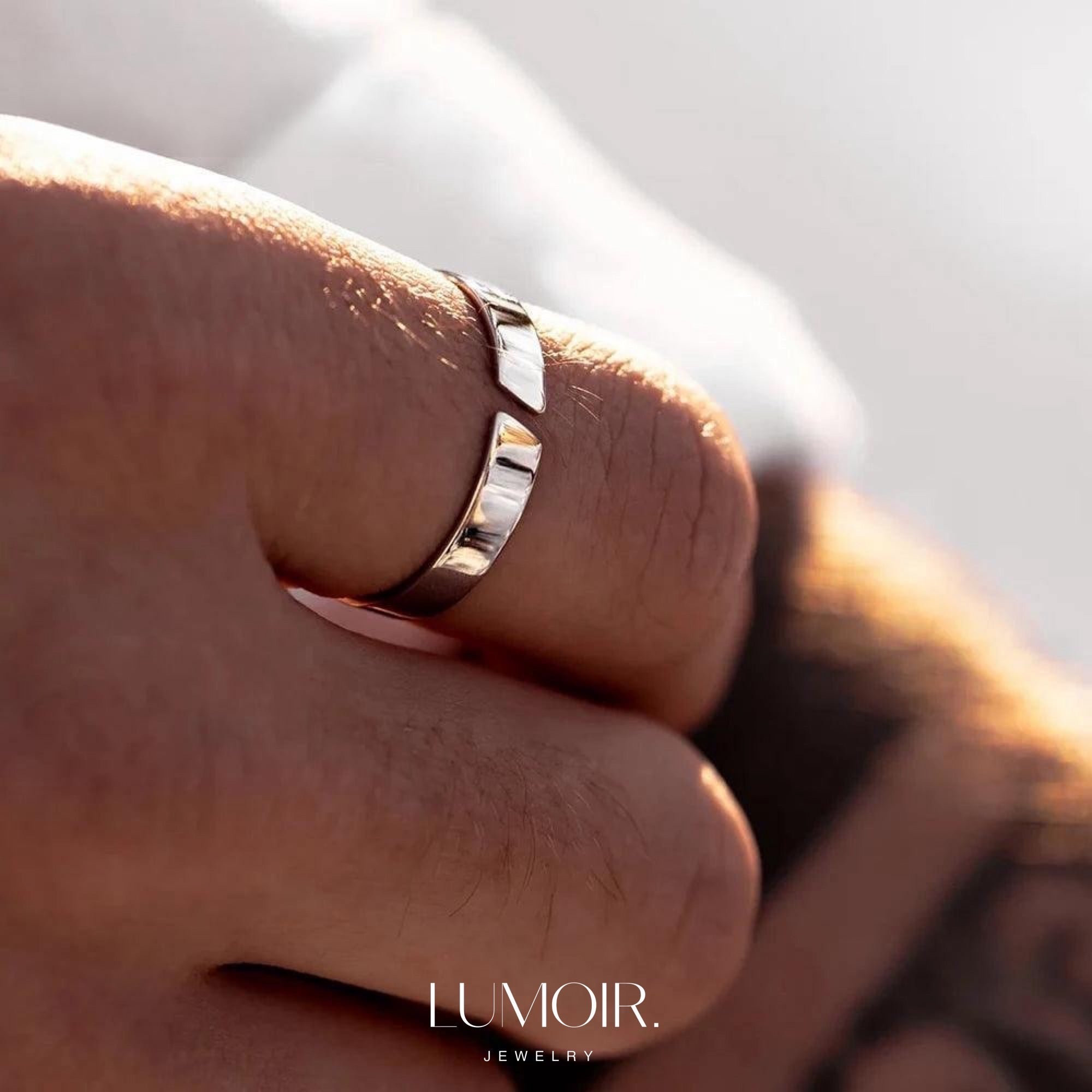
More subtle variants: Narrow metal rings or bands can be worn as a simple accent, less often in combinations like those worn by women.
-
As a detail on the outfit: Function and form come together here.
-
Cufflinks: A classic accessory that signals elegance and care.
-
Tie pins or clips: Practical for fixing the tie and at the same time a subtle point that can pick up metallic accents.
Material issues: texture, weight and statement
The choice of material is fundamental; It not only determines the look, but also the feel and longevity of a piece of men's jewelry.
-
Stainless steel: A favorite, undisputed. Why? Because it is practical, resistant to rust and tarnishing and has a clean, modern look. From highly polished to matt brushed, available in various color finishes – a real all-rounder.
-
Sterling silver (925): With a different look than stainless steel – softer, more classic. It develops a characteristic patina over time, giving it depth, but can be polished back to a high shine if necessary.
-
Gold: The material of choice when it comes to traditional value and a touch of luxury. Yellow gold for classic warmth, white gold for a cooler tone, rose gold for a modern nuance.
-
Leather: Brings an organic component into play. It is pleasant to the touch and becomes more individual as you wear it. Perfect for more casual or earthy styles.
-
Natural stones: They add something unique visually and tactilely. Their colors, grains and often irregular shape make each piece unique.
-
Others: Materials such as titanium (incredibly light and strong), tungsten (extremely hard), carbon (modern, light) or wood significantly expand the design possibilities.
The interaction of the elements: skillfully showcasing jewelry
Jewelry for men works best when it is part of a well-thought-out overall concept - and not added randomly.
-
Find balance: Less is often more. Focus on one area (e.g. a beautiful stack on the wrist) or one statement piece (a statement necklace, a large ring). Not every finger, every arm and the neck have to be decorated to the maximum at the same time.
-
Wrist dynamics: The clock is often the starting point. One or two bracelets that match the materials or colors of the watch or create an exciting contrast can enliven the wrist. Wear them on the same arm or the other – see what feels right and looks good.
-
Necklace strategy: Here the neckline of the top is the most important factor. A pendant necklace peeking out from under a crew-neck T-shirt works differently than a thick link chain worn over a simple sweater, or a delicate chain that's only visible when the shirt collar is open. The length has to be right so that the chain shows off without being distracting.
-
Place rings: Apart from the wedding ring, rings are often worn individually on the ring or little finger. A large statement ring needs space to be effective. Several rings on one hand require a lot of sensitivity and should harmonize well stylistically.
-
Mixing materials – yes or no? The old rule that gold and silver don't mix is outdated. The mix of metal colors or metal with leather/pearls can look very modern and casual. It's about conscious style.
-
Occasion and dress code: In a formal business environment, subtle pieces (cufflinks, simple watch, perhaps a fine chain under the shirt) are often the best choice. In your free time or on creative occasions, things can be more experimental and eye-catching.
More than just the price: the value of meaning
Many pieces of jewelry that men wear have an emotional or symbolic value that goes far beyond the material one. It can be an heirloom, a gift for an important milestone in life, a talisman that promises protection or good luck, or a piece that commemorates special experiences. Such pieces are often irreplaceable and carry a personal story with them.
To ensure that the shine lasts: small tips on care
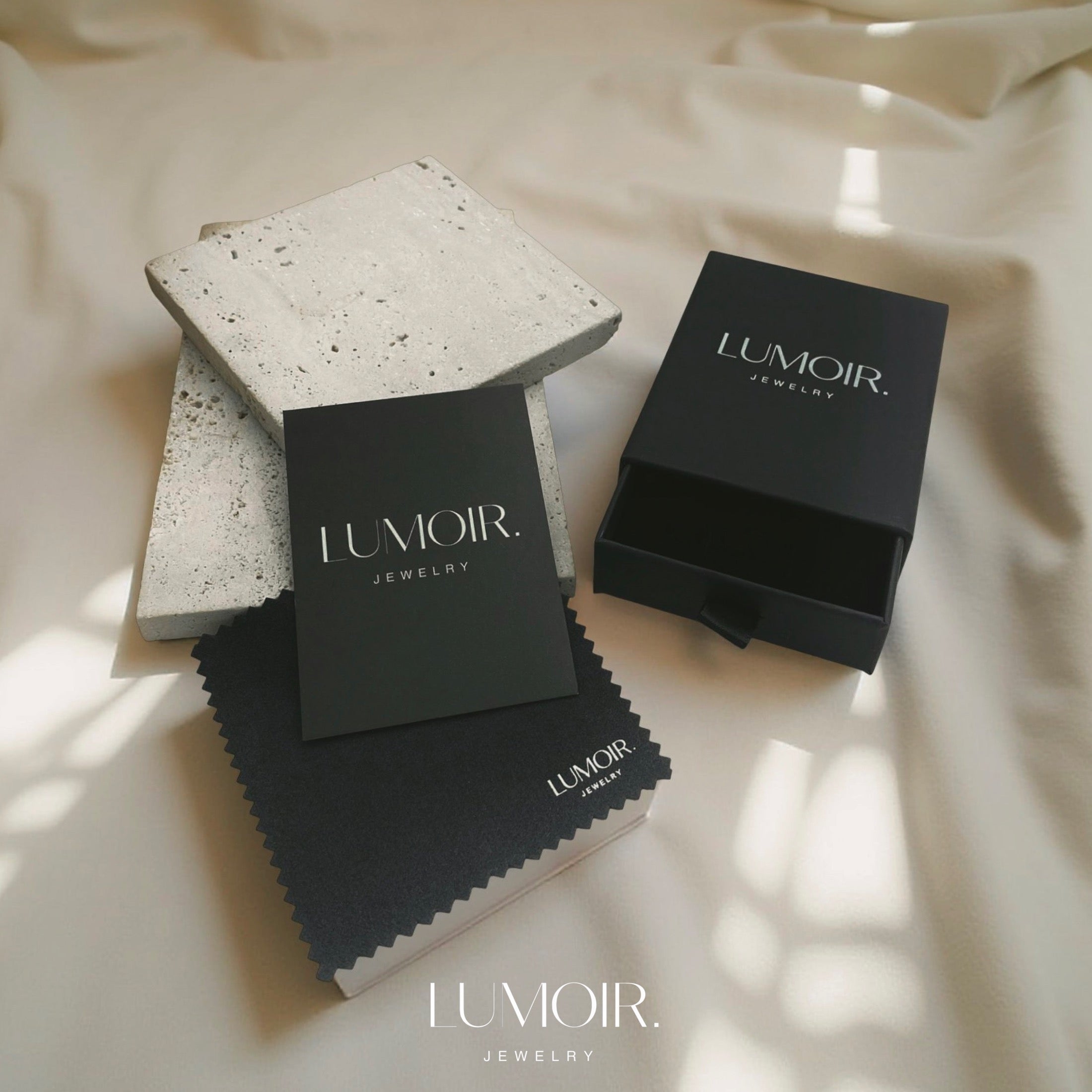
To ensure that your jewelry stays beautiful for a long time and preserves its character: Protect it from aggressive substances such as perfume, chlorinated water, salt water or strong cleaning agents. If possible, take them off before showering, swimming, exercising or doing manual work. Store metal jewelry separately (for example in a jewelry box) to avoid scratches. Regular, gentle cleaning with a suitable cloth or agent tailored to the material helps to maintain the shine.
Conclusion: Men's jewelry is a means of expression that allows men to subtly or strikingly emphasize their individual style. Whether on the wrist, neck or finger – the right piece of jewelry gives every look depth, character and a personal touch. It is a clear commitment to your own sense of style and a tool for presenting yourself with confidence.